
§ Toxic plants · 42 plants · Checked Oct 2026
Herbs, fruits and vegetables toxic to cats and dogs
Edible for people, toxic for pets: kitchen herbs, vegetable plants, and fruit trees and their seeds.
The ASPCA Animal Poison Control Center lists all 42 as toxic to cats and dogs; each one below has the signs to watch for and a severity rating from Plant Smart.
Get a permanent discount if you join Early Access. iPhone and Android, in the United States.
§ 010 · The list
Every plant on this list
| Plant | Cats | Dogs | Severity |
|---|---|---|---|
| Apple Malus sylvestrus | Toxic | Toxic | Severe |
| Apples Malus spp. | Toxic | Toxic | Severe |
| Asparagus Asparagus spp. | Toxic | Toxic | Moderate |
| Bay laurel Laurus nobilis | Toxic | Toxic | Severe |
| Bitter orange Citrus aurantium | Toxic | Toxic | Mild |
| Borage Borago officinalis | Toxic | Toxic | Mild |
| Calamondin Calamansi | Toxic | Toxic | Mild |
| Cannabis Cannabis sativa | Toxic | Toxic | Critical |
| Caraway Carum carvi | Toxic | Toxic | Mild |
| Catnip Nepeta cataria | Toxic | — | Moderate |
| Chamomile Anthemis nobilis | Toxic | Toxic | Moderate |
| Chives Allium schoenoprasum | Toxic | Toxic | Critical |
| Common buckwheat Fagopyrum spp. | Toxic | Toxic | Mild |
| Common hops Humulus lupulus | Toxic | Toxic | Critical |
| Common lavender Lavendula angustifolia | Toxic | Toxic | Moderate |
| Common onion Allium cepa | Toxic | Toxic | Critical |
| Eggplant Solanum melongena | Toxic | Toxic | Moderate |
| Figs Ficus spp. | Toxic | Toxic | Mild |
| Garden parsley Petroselinum crispum | Toxic | Toxic | Mild |
| Garlic Allium sativum | Toxic | Toxic | Critical |
| Grapefruit Citrus paradisi | Toxic | Toxic | Mild |
| Indian borage Coleus amboinicus | Toxic | Toxic | Moderate |
| Key lime Citrus aurantifolia | Toxic | Toxic | Mild |
| Kumquat Citrus mitis | Toxic | Toxic | Severe |
| Lemon Citrus limonia | Toxic | Toxic | Severe |
| Lemon grass Cymbopogon citratus | Toxic | Toxic | Severe |
| Lemon verbena Aloysia triphylla | Toxic | Toxic | Moderate |
| Lovage Levisticum officinale | Toxic | Toxic | Mild |
| Macadamia tree Macadamia integrifolia | Toxic | Toxic | Severe |
| Mints Mentha spp. | Toxic | Toxic | Mild |
| Oregano Origanum vulgare | Toxic | Toxic | Mild |
| Peach Prunus persica | Toxic | Toxic | Severe |
| Pennyroyal Mentha pulegium | Toxic | Toxic | Mild |
| Potato Solanum tuberosum | Toxic | Toxic | Moderate |
| Rangpur Rangpur | Toxic | Toxic | Mild |
| Rhubarb Rheum rhabarbarium | Toxic | Toxic | Severe |
| Sweet marjoram Origanum majorana | Toxic | Toxic | Mild |
| Sweet orange Citrus sinensis | Toxic | Toxic | Mild |
| Taro Colocasia esculenta | Toxic | Toxic | Mild |
| Tarragon Artemisia dracunculus | Toxic | Toxic | Mild |
| Tomato plant Lycopersicon spp. | Toxic | Toxic | Moderate |
| Watercress Nasturtium officinale | Toxic | Toxic | Mild |
§ 020 · If it happened
What to do if your pet ate one
Call your vet or a pet poison hotline straight away, even if your pet seems fine: the ASPCA Animal Poison Control Center, (888) 426-4435, or Pet Poison Helpline, (855) 764-7661. Both are open 24 hours and charge a fee. Have the plant or a photo of it to hand, and don’t make your pet vomit unless a vet tells you to.
§ 030 · Plant by plant
Plant by plant


Is apple toxic to cats and dogs?
Yes. Apple (Malus sylvestrus) is toxic to cats and dogs, according to the ASPCA Animal Poison Control Center. Plant Smart rates its effects Severe, level 3 of 4. Signs include dilated pupils, trouble breathing, panting and shock. Also called European wild apple.

Are apples toxic to cats and dogs?
Yes. Apples (Malus spp.) are toxic to cats and dogs, according to the ASPCA Animal Poison Control Center. Plant Smart rates their effects Severe, level 3 of 4. Signs include dilated pupils, trouble breathing, panting and shock.

Is asparagus toxic to cats and dogs?
Yes. Asparagus (Asparagus spp.) is toxic to cats and dogs, according to the ASPCA Animal Poison Control Center. Plant Smart rates its effects Moderate, level 2 of 4. Signs include skin irritation and belly pain.

Is bay laurel toxic to cats and dogs?
Yes. Bay laurel (Laurus nobilis) is toxic to cats and dogs, according to the ASPCA Animal Poison Control Center. Plant Smart rates its effects Severe, level 3 of 4. Signs include vomiting, diarrhea and intestinal blockage.

Is bitter orange toxic to cats and dogs?
Yes. Bitter orange (Citrus aurantium) is toxic to cats and dogs, according to the ASPCA Animal Poison Control Center. Plant Smart rates its effects Mild, level 1 of 4. Signs include vomiting, diarrhea, dullness or depression, skin irritation and sunburn-like skin reactions to light. Also called orange, key lime and tangier orange.

Is borage toxic to cats and dogs?
Yes. Borage (Borago officinalis) is toxic to cats and dogs, according to the ASPCA Animal Poison Control Center. Plant Smart rates its effects Mild, level 1 of 4. Signs include vomiting, diarrhea and skin irritation.


Is calamondin toxic to cats and dogs?
Yes. Calamondin (Calamansi) is toxic to cats and dogs, according to the ASPCA Animal Poison Control Center. Plant Smart rates its effects Mild, level 1 of 4. Signs include vomiting, diarrhea, dullness or depression and skin irritation. Also called kumquat, spring sandwort and mangrove fern.

Is cannabis toxic to cats and dogs?
Yes. Cannabis (Cannabis sativa) is toxic to cats and dogs, according to the ASPCA Animal Poison Control Center. Plant Smart rates its effects Critical, level 4 of 4. Signs include dullness or depression, vomiting, wobbliness or poor coordination, lethargy, overexcitement, drooling, dilated pupils, low blood pressure, low body temperature, seizures, coma and drowsiness. Eaten in quantity, it can be fatal. Also called ruderalis marijuana, indica marijuana and sativa marijuana.

Is caraway toxic to cats and dogs?
Yes. Caraway (Carum carvi) is toxic to cats and dogs, according to the ASPCA Animal Poison Control Center. Plant Smart rates its effects Mild, level 1 of 4. Signs include vomiting and diarrhea.

Is catnip toxic to cats?
Yes. Catnip (Nepeta cataria) is toxic to cats, according to the ASPCA Animal Poison Control Center. Plant Smart rates its effects Moderate, level 2 of 4. Signs include vomiting, diarrhea, lethargy, overexcitement and drowsiness.


Is chamomile toxic to cats and dogs?
Yes. Chamomile (Anthemis nobilis) is toxic to cats and dogs, according to the ASPCA Animal Poison Control Center. Plant Smart rates its effects Moderate, level 2 of 4. Signs include skin irritation, vomiting, diarrhea, loss of appetite and allergic reactions.


Are chives toxic to cats and dogs?
Yes. Chives (Allium schoenoprasum) are toxic to cats and dogs, according to the ASPCA Animal Poison Control Center. Plant Smart rates their effects Critical, level 4 of 4. Signs include vomiting, anemia (pale gums), blood in the urine, weakness, fast heartbeat, panting, weak pulse, wobbliness or poor coordination, collapse and trouble breathing. Also called wild chives and giant chives.

Is common buckwheat toxic to cats and dogs?
Yes. Common buckwheat (Fagopyrum spp.) is toxic to cats and dogs, according to the ASPCA Animal Poison Control Center. Plant Smart rates its effects Mild, level 1 of 4. Signs include skin irritation, sunburn-like skin reactions to light and agitation.

Are common hops toxic to cats and dogs?
Yes. Common hops (Humulus lupulus) are toxic to cats and dogs, according to the ASPCA Animal Poison Control Center. Plant Smart rates their effects Critical, level 4 of 4. Signs include panting, fever and seizures. Eaten in quantity, it can be fatal. Also called western hop.


Is common lavender toxic to cats and dogs?
Yes. Common lavender (Lavendula angustifolia) is toxic to cats and dogs, according to the ASPCA Animal Poison Control Center. Plant Smart rates its effects Moderate, level 2 of 4. Signs include nausea, vomiting and loss of appetite. Read the full page on common lavender.

Is common onion toxic to cats and dogs?
Yes. Common onion (Allium cepa) is toxic to cats and dogs, according to the ASPCA Animal Poison Control Center. Plant Smart rates its effects Critical, level 4 of 4. Signs include vomiting, anemia (pale gums), weakness, fast heartbeat, panting, blood in the urine, weak pulse, wobbliness or poor coordination, collapse and trouble breathing. Also called shallot and tree onion.

Is eggplant toxic to cats and dogs?
Yes. Eggplant (Solanum melongena) is toxic to cats and dogs, according to the ASPCA Animal Poison Control Center. Plant Smart rates its effects Moderate, level 2 of 4. Signs include drooling, loss of appetite, belly pain, diarrhea, drowsiness, sluggish, unresponsive behavior, disorientation, weakness, dilated pupils and slow heartbeat. Also called wild eggplant.

Are figs toxic to cats and dogs?
Yes. Figs (Ficus spp.) are toxic to cats and dogs, according to the ASPCA Animal Poison Control Center. Plant Smart rates their effects Mild, level 1 of 4. Signs include vomiting and diarrhea.

Is garden parsley toxic to cats and dogs?
Yes. Garden parsley (Petroselinum crispum) is toxic to cats and dogs, according to the ASPCA Animal Poison Control Center. Plant Smart rates its effects Mild, level 1 of 4. Signs include skin irritation and sunburn-like skin reactions to light.

Is garlic toxic to cats and dogs?
Yes. Garlic (Allium sativum) is toxic to cats and dogs, according to the ASPCA Animal Poison Control Center. Plant Smart rates its effects Critical, level 4 of 4. Signs include vomiting, anemia (pale gums), blood in the urine, weakness, fast heartbeat, panting, weak pulse, wobbliness or poor coordination, collapse and trouble breathing. Also called serpent garlic and softneck garlic.

Is grapefruit toxic to cats and dogs?
Yes. Grapefruit (Citrus paradisi) is toxic to cats and dogs, according to the ASPCA Animal Poison Control Center. Plant Smart rates its effects Mild, level 1 of 4. Signs include vomiting, diarrhea, dullness or depression and skin irritation. Also called orange.


Is Indian borage toxic to cats and dogs?
Yes. Indian borage (Coleus amboinicus) is toxic to cats and dogs, according to the ASPCA Animal Poison Control Center. Plant Smart rates its effects Moderate, level 2 of 4. Signs include vomiting, diarrhea, dullness or depression, loss of appetite and bloody diarrhea.

Is key lime toxic to cats and dogs?
Yes. Key lime (Citrus aurantifolia) is toxic to cats and dogs, according to the ASPCA Animal Poison Control Center. Plant Smart rates its effects Mild, level 1 of 4. Signs include vomiting, diarrhea, dullness or depression and skin irritation.

Is kumquat toxic to cats and dogs?
Yes. Kumquat (Citrus mitis) is toxic to cats and dogs, according to the ASPCA Animal Poison Control Center. Plant Smart rates its effects Severe, level 3 of 4. Signs include weak pulse, fast heartbeat, dilated pupils, dry mouth, wobbliness or poor coordination, diarrhea, vomiting, seizures, coma, dullness or depression, skin irritation and sunburn-like skin reactions to light. Also called calamondin, spring sandwort, mangrove fern and calamansi.


Is lemon toxic to cats and dogs?
Yes. Lemon (Citrus limonia) is toxic to cats and dogs, according to the ASPCA Animal Poison Control Center. Plant Smart rates its effects Severe, level 3 of 4. Signs include weak pulse, fast heartbeat, dilated pupils, dry mouth, wobbliness or poor coordination, diarrhea, vomiting, seizures, coma, dullness or depression and skin irritation. Also called rangpur.
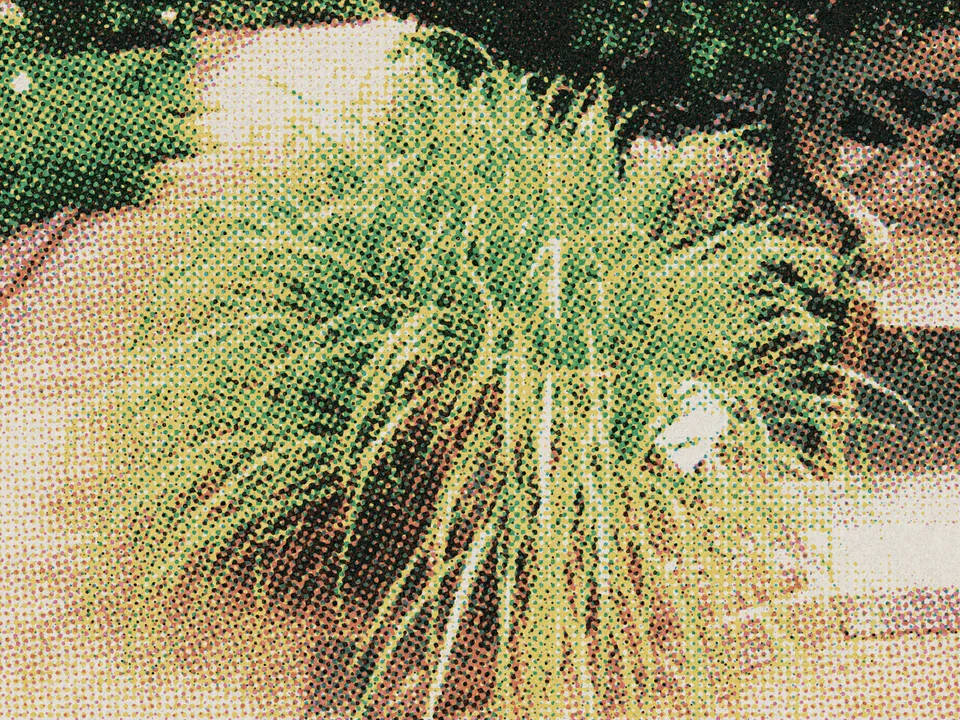

Is lemon grass toxic to cats and dogs?
Yes. Lemon grass (Cymbopogon citratus) is toxic to cats and dogs, according to the ASPCA Animal Poison Control Center. Plant Smart rates its effects Severe, level 3 of 4. Signs include trouble breathing, weakness and belly pain. Eaten in quantity, it can be fatal.

Is lemon verbena toxic to cats and dogs?
Yes. Lemon verbena (Aloysia triphylla) is toxic to cats and dogs, according to the ASPCA Animal Poison Control Center. Plant Smart rates its effects Moderate, level 2 of 4. Signs include vomiting, diarrhea and belly pain.


Is lovage toxic to cats and dogs?
Yes. Lovage (Levisticum officinale) is toxic to cats and dogs, according to the ASPCA Animal Poison Control Center. Plant Smart rates its effects Mild, level 1 of 4. Signs include peeing more than usual.

Is macadamia tree toxic to cats and dogs?
Yes. Macadamia tree (Macadamia integrifolia) is toxic to cats and dogs, according to the ASPCA Animal Poison Control Center. Plant Smart rates its effects Severe, level 3 of 4. Signs include dullness or depression, weakness, vomiting, tremors, fever, stiffness, irregular heartbeat and fast heartbeat. Also called nelmac ii.

Are mints toxic to cats and dogs?
Yes. Mints (Mentha spp.) are toxic to cats and dogs, according to the ASPCA Animal Poison Control Center. Plant Smart rates their effects Mild, level 1 of 4. Signs include vomiting and diarrhea.

Is oregano toxic to cats and dogs?
Yes. Oregano (Origanum vulgare) is toxic to cats and dogs, according to the ASPCA Animal Poison Control Center. Plant Smart rates its effects Mild, level 1 of 4. Signs include vomiting and diarrhea. Also called greek oregano, algerian oregano, italian oregano and russian oregano.

Is peach toxic to cats and dogs?
Yes. Peach (Prunus persica) is toxic to cats and dogs, according to the ASPCA Animal Poison Control Center. Plant Smart rates its effects Severe, level 3 of 4. Signs include dilated pupils, trouble breathing, panting and shock. Also called nectarine and flat peach.

Is pennyroyal toxic to cats and dogs?
Yes. Pennyroyal (Mentha pulegium) is toxic to cats and dogs, according to the ASPCA Animal Poison Control Center. Plant Smart rates its effects Mild, level 1 of 4. Signs include vomiting and diarrhea.

Is potato toxic to cats and dogs?
Yes. Potato (Solanum tuberosum) is toxic to cats and dogs, according to the ASPCA Animal Poison Control Center. Plant Smart rates its effects Moderate, level 2 of 4. Signs include drooling, loss of appetite, belly pain, diarrhea, drowsiness, sluggish, unresponsive behavior, disorientation, weakness, dilated pupils and slow heartbeat.


Is rangpur toxic to cats and dogs?
Yes. Rangpur (Rangpur) is toxic to cats and dogs, according to the ASPCA Animal Poison Control Center. Plant Smart rates its effects Mild, level 1 of 4. Signs include vomiting, diarrhea, dullness or depression and skin irritation.
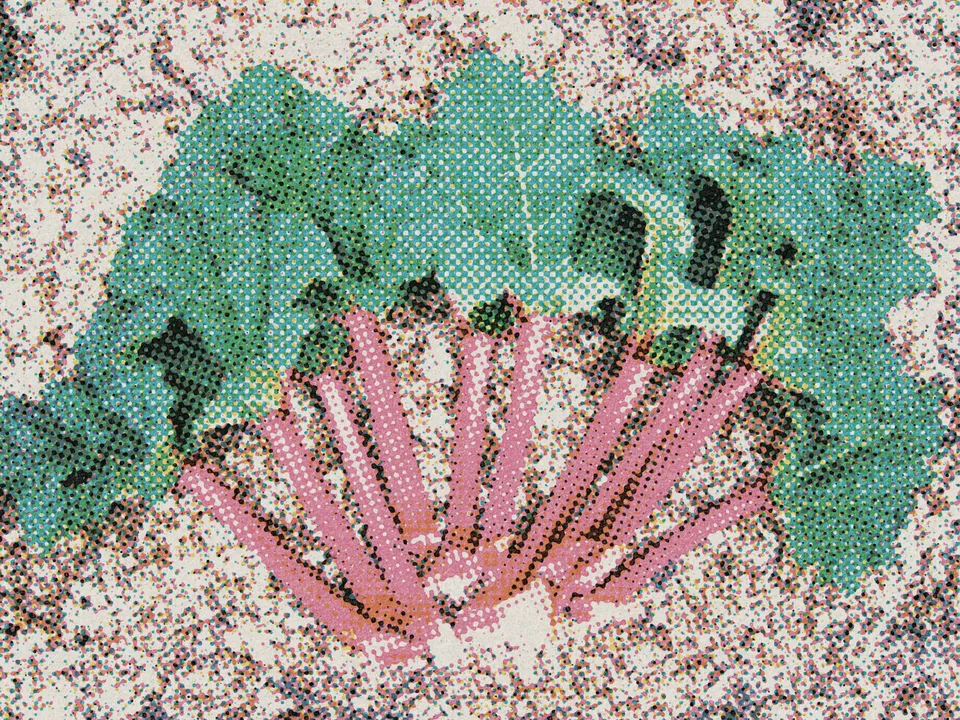

Is rhubarb toxic to cats and dogs?
Yes. Rhubarb (Rheum rhabarbarium) is toxic to cats and dogs, according to the ASPCA Animal Poison Control Center. Plant Smart rates its effects Severe, level 3 of 4. Signs include kidney failure, tremors, drooling and vomiting.

Is sweet marjoram toxic to cats and dogs?
Yes. Sweet marjoram (Origanum majorana) is toxic to cats and dogs, according to the ASPCA Animal Poison Control Center. Plant Smart rates its effects Mild, level 1 of 4. Signs include vomiting and diarrhea. Also called italian oregano.

Is sweet orange toxic to cats and dogs?
Yes. Sweet orange (Citrus sinensis) is toxic to cats and dogs, according to the ASPCA Animal Poison Control Center. Plant Smart rates its effects Mild, level 1 of 4. Signs include vomiting, diarrhea, dullness or depression and skin irritation. Also called orange.


Is taro toxic to cats and dogs?
Yes. Taro (Colocasia esculenta) is toxic to cats and dogs, according to the ASPCA Animal Poison Control Center. Plant Smart rates its effects Mild, level 1 of 4. Signs include mouth irritation, drooling, vomiting and trouble swallowing.

Is tarragon toxic to cats and dogs?
Yes. Tarragon (Artemisia dracunculus) is toxic to cats and dogs, according to the ASPCA Animal Poison Control Center. Plant Smart rates its effects Mild, level 1 of 4. Signs include vomiting and diarrhea.

Is tomato plant toxic to cats and dogs?
Yes. Tomato plant (Lycopersicon spp.) is toxic to cats and dogs, according to the ASPCA Animal Poison Control Center. Plant Smart rates its effects Moderate, level 2 of 4. Signs include drooling, loss of appetite, vomiting, diarrhea, dullness or depression, weakness, dilated pupils, slow heartbeat and belly pain.


Is watercress toxic to cats and dogs?
Yes. Watercress (Nasturtium officinale) is toxic to cats and dogs, according to the ASPCA Animal Poison Control Center. Plant Smart rates its effects Mild, level 1 of 4. Signs include vomiting and diarrhea.
§ 040 · Questions
Questions about herbs, fruits and vegetables toxic to cats and dogs
Which of these are the most dangerous?
Plant Smart rates Cannabis, Chives, Common hops, Common onion and Garlic Critical, the highest of its four levels.
What should I do if my pet ate one?
Call your vet or a pet poison hotline right away, even before signs appear: the ASPCA Animal Poison Control Center at (888) 426-4435, or Pet Poison Helpline at (855) 764-7661. Both charge a fee. Have the plant, or a photo of it, to hand.
Where does this list come from?
From the ASPCA Animal Poison Control Center's plant list, by way of Plant Smart, which adds a four-level severity rating.
Is a plant missing from this list safe?
Not necessarily. A plant can be missing because nobody has reported a case. Call your vet if your pet eats any plant and seems unwell.