
§ Toxic plants · 58 plants · Checked Oct 2026
Garden flowers and shrubs toxic to cats and dogs
Outdoor ornamentals: flowers, perennials, shrubs, hedges and vines.
The ASPCA Animal Poison Control Center lists all 58 as toxic to cats and dogs; each one below has the signs to watch for and a severity rating from Plant Smart.
Get a permanent discount if you join Early Access. iPhone and Android, in the United States.
§ 010 · The list
Every plant on this list
| Plant | Cats | Dogs | Severity |
|---|---|---|---|
| Be-still tree Thevetia peruviana | Toxic | Toxic | Mild |
| Boxwood Buxus spp. | Toxic | Toxic | Critical |
| Broad-leaved sweet pea Lathyrus latifolius | Toxic | Toxic | Critical |
| Butterfly milkweed Asclepias tuberosa | Toxic | Toxic | Critical |
| Calla lily Zantedeschia aethiopica | Toxic | Toxic | Mild |
| Cardinal flower Lobelia cardinalis | Toxic | Toxic | Moderate |
| Castor bean Ricinus communis | Toxic | Toxic | Critical |
| Cherry laurel Prunus laurocerasus | Toxic | Toxic | Severe |
| Chrysanthemums Chrysanthemum spp. | Toxic | Toxic | Mild |
| Clematis and leatherflowers Clematis spp. | Toxic | Toxic | Mild |
| Common gardenia Gardenia jasminoides | Toxic | Toxic | Mild |
| Common ivy Hedera helix | Toxic | Toxic | Moderate |
| Common lantana Lantana camara | Toxic | Toxic | Critical |
| Common peony Paeonia officinalis | Toxic | Toxic | Mild |
| Common privet Ligustrum vulgare | Toxic | Toxic | Moderate |
| Common yarrow Achillea millefolium | Toxic | Toxic | Moderate |
| Coontie Zamia integrifolia | Toxic | Toxic | Critical |
| Dahlias Dahlia spp. | Toxic | Toxic | Moderate |
| Doghobble Leucothoe spp. | Toxic | Toxic | Critical |
| Flame lily Gloriosa superba | Toxic | Toxic | Critical |
| Garden geranium Pelargonium x hortorum | Toxic | Toxic | Moderate |
| Geraniums and storksbills Pelargonium spp. | Toxic | Toxic | Moderate |
| Heavenly bamboo Nandina domestica | Toxic | Toxic | Critical |
| Hellebores and lenten roses Helleborus spp. | Toxic | Toxic | Moderate |
| Hydrangeas Hydrangea spp. | Toxic | Toxic | Moderate |
| Ivies Hedera spp. | Toxic | Toxic | Moderate |
| Japanese andromeda Pieris japonica | Toxic | Toxic | Critical |
| Japanese yew Taxus cuspidata | Toxic | Toxic | Critical |
| Kusamaki Podocarpus macrophyllus | Toxic | Toxic | Mild |
| Larkspurs Delphinium spp. | Toxic | Toxic | Critical |
| Lobelias Lobelia spp. | Toxic | Toxic | Moderate |
| Madagascar periwinkle Vinca rosea | Toxic | Toxic | Critical |
| Moonflower Ipomoea alba | Toxic | Toxic | Moderate |
| Morning-glories Ipomoea spp. | Toxic | Toxic | Moderate |
| Mountain laurel Kalmia latifolia | Toxic | Toxic | Critical |
| Mountain-laurels Kalmia spp. | Toxic | Toxic | Critical |
| Oleander Nerium oleander | Toxic | Toxic | Critical |
| Palestine arum Arum palaestinum | Toxic | Toxic | Mild |
| Peacock flower Caesalpinia pulcherrima | Toxic | Toxic | Mild |
| Periwinkles Vinca spp. | Toxic | Toxic | Critical |
| Pinks Dianthus spp. | Toxic | Toxic | Mild |
| Primrose Primula vulgaris | Toxic | Toxic | Mild |
| Primroses Primula spp. | Toxic | Toxic | Mild |
| Privets Ligustrum spp. | Toxic | Toxic | Critical |
| Purple foxglove Digitalis purpurea | Toxic | Toxic | Critical |
| Raintrees Brunfelsia spp. | Toxic | Toxic | Severe |
| Rhododendrons and azaleas Rhododendron spp. | Toxic | Toxic | Critical |
| Scented hosta Hosta plantaginea | Toxic | Toxic | Mild |
| Showy baby's-breath Gypsophila elegans | Toxic | Toxic | Mild |
| Spindles Euonymus spp. | Toxic | Toxic | Moderate |
| Sweet-william Dianthus barbatus | Toxic | Toxic | Mild |
| Virginia spiderwort Tradescantia virginiana | Toxic | Toxic | Mild |
| Wax begonia Begonia semperflorens | Toxic | Toxic | Severe |
| Wax-leaf ligustrum Ligustrum japonicum | Toxic | Toxic | Critical |
| Wisterias Wisteria spp. | Toxic | Toxic | Mild |
| Yellow bird-of-paradise shrub Erythrostemon gilliesii | Toxic | Toxic | Severe |
| Yews Taxus spp. | Toxic | Toxic | Critical |
| Yuccas Yucca spp. | Toxic | Toxic | Critical |
§ 020 · If it happened
What to do if your pet ate one
Call your vet or a pet poison hotline straight away, even if your pet seems fine: the ASPCA Animal Poison Control Center, (888) 426-4435, or Pet Poison Helpline, (855) 764-7661. Both are open 24 hours and charge a fee. Have the plant or a photo of it to hand, and don’t make your pet vomit unless a vet tells you to.
§ 030 · Plant by plant
Plant by plant

Is be-still tree toxic to cats and dogs?
Yes. Be-still tree (Thevetia peruviana) is toxic to cats and dogs, according to the ASPCA Animal Poison Control Center. Plant Smart rates its effects Mild, level 1 of 4. Signs include vomiting, diarrhea and slow heartbeat.


Is boxwood toxic to cats and dogs?
Yes. Boxwood (Buxus spp.) is toxic to cats and dogs, according to the ASPCA Animal Poison Control Center. Plant Smart rates its effects Critical, level 4 of 4. Signs include vomiting, diarrhea, respiratory failure and seizures.


Is broad-leaved sweet pea toxic to cats and dogs?
Yes. Broad-leaved sweet pea (Lathyrus latifolius) is toxic to cats and dogs, according to the ASPCA Animal Poison Control Center. Plant Smart rates its effects Critical, level 4 of 4. Signs include weakness, lethargy, pacing, pressing the head against walls, tremors and seizures. Eaten in quantity, it can be fatal.

Is butterfly milkweed toxic to cats and dogs?
Yes. Butterfly milkweed (Asclepias tuberosa) is toxic to cats and dogs, according to the ASPCA Animal Poison Control Center. Plant Smart rates its effects Critical, level 4 of 4. Signs include vomiting, dullness or depression, weakness, loss of appetite, diarrhea, seizures, trouble breathing, weak pulse, dilated pupils, kidney failure, liver failure, coma, respiratory paralysis, belly pain, bloating, tremors, wobbliness or poor coordination, respiratory failure, irregular heartbeat and lying down and unable to get up. Eaten in quantity, it can be fatal. Also called rolfs' milkweed and butterflyweed.

Is calla lily toxic to cats and dogs?
Yes. Calla lily (Zantedeschia aethiopica) is toxic to cats and dogs, according to the ASPCA Animal Poison Control Center. Plant Smart rates its effects Mild, level 1 of 4. Signs include mouth irritation, drooling, vomiting and trouble swallowing.

Is cardinal flower toxic to cats and dogs?
Yes. Cardinal flower (Lobelia cardinalis) is toxic to cats and dogs, according to the ASPCA Animal Poison Control Center. Plant Smart rates its effects Moderate, level 2 of 4. Signs include dullness or depression, diarrhea, vomiting, drooling, belly pain and irregular heartbeat.


Is castor bean toxic to cats and dogs?
Yes. Castor bean (Ricinus communis) is toxic to cats and dogs, according to the ASPCA Animal Poison Control Center. Plant Smart rates its effects Critical, level 4 of 4. Signs include mouth irritation, drinking more than usual, vomiting, diarrhea, kidney failure, seizures, loss of appetite, weakness, tremors, wobbliness or poor coordination, trouble breathing, dullness or depression, fever, coma, bloody diarrhea, sluggish, unresponsive behavior, bloating and shock. Eaten in quantity, it can be fatal.

Is cherry laurel toxic to cats and dogs?
Yes. Cherry laurel (Prunus laurocerasus) is toxic to cats and dogs, according to the ASPCA Animal Poison Control Center. Plant Smart rates its effects Severe, level 3 of 4. Signs include dilated pupils, trouble breathing, panting and shock.


Are chrysanthemums toxic to cats and dogs?
Yes. Chrysanthemums (Chrysanthemum spp.) are toxic to cats and dogs, according to the ASPCA Animal Poison Control Center. Plant Smart rates their effects Mild, level 1 of 4. Signs include vomiting, diarrhea, drooling, wobbliness or poor coordination and skin irritation. Read the full page on chrysanthemums.

Are clematis and leatherflowers toxic to cats and dogs?
Yes. Clematis and leatherflowers (Clematis spp.) are toxic to cats and dogs, according to the ASPCA Animal Poison Control Center. Plant Smart rates their effects Mild, level 1 of 4. Signs include drooling, vomiting and diarrhea.

Is common gardenia toxic to cats and dogs?
Yes. Common gardenia (Gardenia jasminoides) is toxic to cats and dogs, according to the ASPCA Animal Poison Control Center. Plant Smart rates its effects Mild, level 1 of 4. Signs include vomiting, diarrhea and hives. Also called fortune's cape jasmine.

Is common ivy toxic to cats and dogs?
Yes. Common ivy (Hedera helix) is toxic to cats and dogs, according to the ASPCA Animal Poison Control Center. Plant Smart rates its effects Moderate, level 2 of 4. Signs include vomiting, belly pain, drooling and diarrhea. Also called english ivy, canary islands ivy, atlantic ivy and poet's ivy.

Is common lantana toxic to cats and dogs?
Yes. Common lantana (Lantana camara) is toxic to cats and dogs, according to the ASPCA Animal Poison Control Center. Plant Smart rates its effects Critical, level 4 of 4. Signs include vomiting, diarrhea, trouble breathing, weakness, liver failure, bloody diarrhea, fast heartbeat, sunburn-like skin reactions to light, skin irritation and jaundice (yellow gums or eyes). Also called New gold lantana.


Is common peony toxic to cats and dogs?
Yes. Common peony (Paeonia officinalis) is toxic to cats and dogs, according to the ASPCA Animal Poison Control Center. Plant Smart rates its effects Mild, level 1 of 4. Signs include vomiting, diarrhea and dullness or depression.

Is common privet toxic to cats and dogs?
Yes. Common privet (Ligustrum vulgare) is toxic to cats and dogs, according to the ASPCA Animal Poison Control Center. Plant Smart rates its effects Moderate, level 2 of 4. Signs include drooling, belly pain, diarrhea and dullness or depression.

Is common yarrow toxic to cats and dogs?
Yes. Common yarrow (Achillea millefolium) is toxic to cats and dogs, according to the ASPCA Animal Poison Control Center. Plant Smart rates its effects Moderate, level 2 of 4. Signs include vomiting, diarrhea, skin irritation, drooling, dullness or depression, peeing more than usual and loss of appetite. Also called common yarrow, northern yarrow, mountain yarrow and alpine yarrow.


Is coontie toxic to cats and dogs?
Yes. Coontie (Zamia integrifolia) is toxic to cats and dogs, according to the ASPCA Animal Poison Control Center. Plant Smart rates its effects Critical, level 4 of 4. Signs include vomiting, dark stools, jaundice (yellow gums or eyes), drinking more than usual, bloody diarrhea, bruising, liver failure, drooling, loss of appetite, dullness or depression, diarrhea, weakness and wobbliness or poor coordination. Eaten in quantity, it can be fatal.

Are dahlias toxic to cats and dogs?
Yes. Dahlias (Dahlia spp.) are toxic to cats and dogs, according to the ASPCA Animal Poison Control Center. Plant Smart rates their effects Moderate, level 2 of 4. Signs include diarrhea, skin irritation and belly pain.
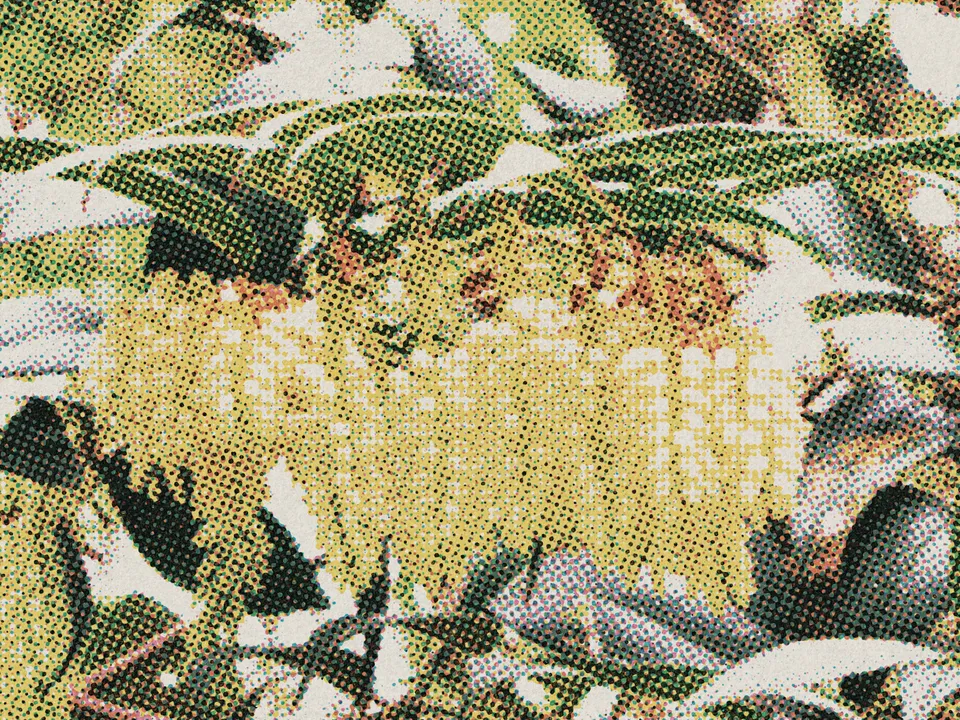
Is doghobble toxic to cats and dogs?
Yes. Doghobble (Leucothoe spp.) is toxic to cats and dogs, according to the ASPCA Animal Poison Control Center. Plant Smart rates its effects Critical, level 4 of 4. Signs include vomiting, diarrhea, dullness or depression, collapse, drooling, weakness, coma, low blood pressure and heart failure. Eaten in quantity, it can be fatal.


Is flame lily toxic to cats and dogs?
Yes. Flame lily (Gloriosa superba) is toxic to cats and dogs, according to the ASPCA Animal Poison Control Center. Plant Smart rates its effects Critical, level 4 of 4. Signs include drooling, vomiting, diarrhea, shock, kidney failure, liver damage, bone marrow suppression and liver failure.

Is garden geranium toxic to cats and dogs?
Yes. Garden geranium (Pelargonium x hortorum) is toxic to cats and dogs, according to the ASPCA Animal Poison Control Center. Plant Smart rates its effects Moderate, level 2 of 4. Signs include vomiting, loss of appetite, dullness or depression, skin irritation, wobbliness or poor coordination, weakness and low body temperature.

Are geraniums and storksbills toxic to cats and dogs?
Yes. Geraniums and storksbills (Pelargonium spp.) are toxic to cats and dogs, according to the ASPCA Animal Poison Control Center. Plant Smart rates their effects Moderate, level 2 of 4. Signs include vomiting, loss of appetite, dullness or depression, skin irritation, wobbliness or poor coordination, weakness and low body temperature.

Is heavenly bamboo toxic to cats and dogs?
Yes. Heavenly bamboo (Nandina domestica) is toxic to cats and dogs, according to the ASPCA Animal Poison Control Center. Plant Smart rates its effects Critical, level 4 of 4. Signs include weakness, wobbliness or poor coordination, seizures, coma and respiratory failure. Eaten in quantity, it can be fatal.


Are hellebores and lenten roses toxic to cats and dogs?
Yes. Hellebores and lenten roses (Helleborus spp.) are toxic to cats and dogs, according to the ASPCA Animal Poison Control Center. Plant Smart rates their effects Moderate, level 2 of 4. Signs include drooling, belly pain, diarrhea and dullness or depression.


Are hydrangeas toxic to cats and dogs?
Yes. Hydrangeas (Hydrangea spp.) are toxic to cats and dogs, according to the ASPCA Animal Poison Control Center. Plant Smart rates their effects Moderate, level 2 of 4. Signs include vomiting, dullness or depression, diarrhea and belly pain. Read the full page on hydrangeas.

Are ivies toxic to cats and dogs?
Yes. Ivies (Hedera spp.) are toxic to cats and dogs, according to the ASPCA Animal Poison Control Center. Plant Smart rates their effects Moderate, level 2 of 4. Signs include vomiting, belly pain, drooling and diarrhea.


Is Japanese andromeda toxic to cats and dogs?
Yes. Japanese andromeda (Pieris japonica) is toxic to cats and dogs, according to the ASPCA Animal Poison Control Center. Plant Smart rates its effects Critical, level 4 of 4. Signs include vomiting, diarrhea, dullness or depression, heart failure, drooling, weakness, coma, low blood pressure and collapse. Eaten in quantity, it can be fatal.

Is Japanese yew toxic to cats and dogs?
Yes. Japanese yew (Taxus cuspidata) is toxic to cats and dogs, according to the ASPCA Animal Poison Control Center. Plant Smart rates its effects Critical, level 4 of 4. Signs include tremors, trouble breathing, vomiting, seizures, heart failure, diarrhea, slow heartbeat and wobbliness or poor coordination. Eaten in quantity, it can be fatal.

Is kusamaki toxic to cats and dogs?
Yes. Kusamaki (Podocarpus macrophyllus) is toxic to cats and dogs, according to the ASPCA Animal Poison Control Center. Plant Smart rates its effects Mild, level 1 of 4. Signs include vomiting and diarrhea. Also called yew plum pine.

Are larkspurs toxic to cats and dogs?
Yes. Larkspurs (Delphinium spp.) are toxic to cats and dogs, according to the ASPCA Animal Poison Control Center. Plant Smart rates their effects Critical, level 4 of 4. Signs include drooling, tremors, stiffness, weakness, lying down and unable to get up, seizures, heart failure, respiratory paralysis, paralysis, bloating, wobbliness or poor coordination and collapse. Eaten in quantity, it can be fatal.


Are lobelias toxic to cats and dogs?
Yes. Lobelias (Lobelia spp.) are toxic to cats and dogs, according to the ASPCA Animal Poison Control Center. Plant Smart rates their effects Moderate, level 2 of 4. Signs include dullness or depression, diarrhea, vomiting, drooling, belly pain and irregular heartbeat.

Is Madagascar periwinkle toxic to cats and dogs?
Yes. Madagascar periwinkle (Vinca rosea) is toxic to cats and dogs, according to the ASPCA Animal Poison Control Center. Plant Smart rates its effects Critical, level 4 of 4. Signs include vomiting, diarrhea, low blood pressure, dullness or depression, tremors, seizures and coma. Eaten in quantity, it can be fatal. Also called periwinkle.

Is moonflower toxic to cats and dogs?
Yes. Moonflower (Ipomoea alba) is toxic to cats and dogs, according to the ASPCA Animal Poison Control Center. Plant Smart rates its effects Moderate, level 2 of 4. Signs include vomiting and hallucinations.

Are morning-glories toxic to cats and dogs?
Yes. Morning-glories (Ipomoea spp.) are toxic to cats and dogs, according to the ASPCA Animal Poison Control Center. Plant Smart rates their effects Moderate, level 2 of 4. Signs include vomiting and hallucinations.

Is mountain laurel toxic to cats and dogs?
Yes. Mountain laurel (Kalmia latifolia) is toxic to cats and dogs, according to the ASPCA Animal Poison Control Center. Plant Smart rates its effects Critical, level 4 of 4. Signs include vomiting, diarrhea, weakness, heart failure, belly pain, drooling, loss of appetite, dullness or depression, wobbliness or poor coordination, stupor, paralysis, weak pulse, lying down and unable to get up, coma, tremors, seizures, fast heartbeat and trouble breathing. Eaten in quantity, it can be fatal.

Are mountain-laurels toxic to cats and dogs?
Yes. Mountain-laurels (Kalmia spp.) are toxic to cats and dogs, according to the ASPCA Animal Poison Control Center. Plant Smart rates their effects Critical, level 4 of 4. Signs include vomiting, diarrhea, weakness, heart failure, belly pain, drooling, loss of appetite, dullness or depression, wobbliness or poor coordination, stupor, paralysis, weak pulse, lying down and unable to get up, coma, tremors, seizures, fast heartbeat and trouble breathing. Eaten in quantity, it can be fatal.


Is oleander toxic to cats and dogs?
Yes. Oleander (Nerium oleander) is toxic to cats and dogs, according to the ASPCA Animal Poison Control Center. Plant Smart rates its effects Critical, level 4 of 4. Signs include drooling, belly pain, diarrhea, dullness or depression, vomiting, irregular heartbeat, weak pulse, shock, weakness, collapse, trouble breathing and dilated pupils. Eaten in quantity, it can be fatal. Read the full page on oleander.


Is Palestine arum toxic to cats and dogs?
Yes. Palestine arum (Arum palaestinum) is toxic to cats and dogs, according to the ASPCA Animal Poison Control Center. Plant Smart rates its effects Mild, level 1 of 4. Signs include mouth irritation, drooling, vomiting and trouble swallowing.


Is peacock flower toxic to cats and dogs?
Yes. Peacock flower (Caesalpinia pulcherrima) is toxic to cats and dogs, according to the ASPCA Animal Poison Control Center. Plant Smart rates its effects Mild, level 1 of 4. Signs include vomiting and diarrhea.


Are periwinkles toxic to cats and dogs?
Yes. Periwinkles (Vinca spp.) are toxic to cats and dogs, according to the ASPCA Animal Poison Control Center. Plant Smart rates their effects Critical, level 4 of 4. Signs include vomiting, diarrhea, low blood pressure, dullness or depression, tremors, seizures and coma. Eaten in quantity, it can be fatal.


Are pinks toxic to cats and dogs?
Yes. Pinks (Dianthus spp.) are toxic to cats and dogs, according to the ASPCA Animal Poison Control Center. Plant Smart rates their effects Mild, level 1 of 4. Signs include vomiting and skin irritation.

Is primrose toxic to cats and dogs?
Yes. Primrose (Primula vulgaris) is toxic to cats and dogs, according to the ASPCA Animal Poison Control Center. Plant Smart rates its effects Mild, level 1 of 4. Signs include vomiting.

Are primroses toxic to cats and dogs?
Yes. Primroses (Primula spp.) are toxic to cats and dogs, according to the ASPCA Animal Poison Control Center. Plant Smart rates their effects Mild, level 1 of 4. Signs include vomiting.
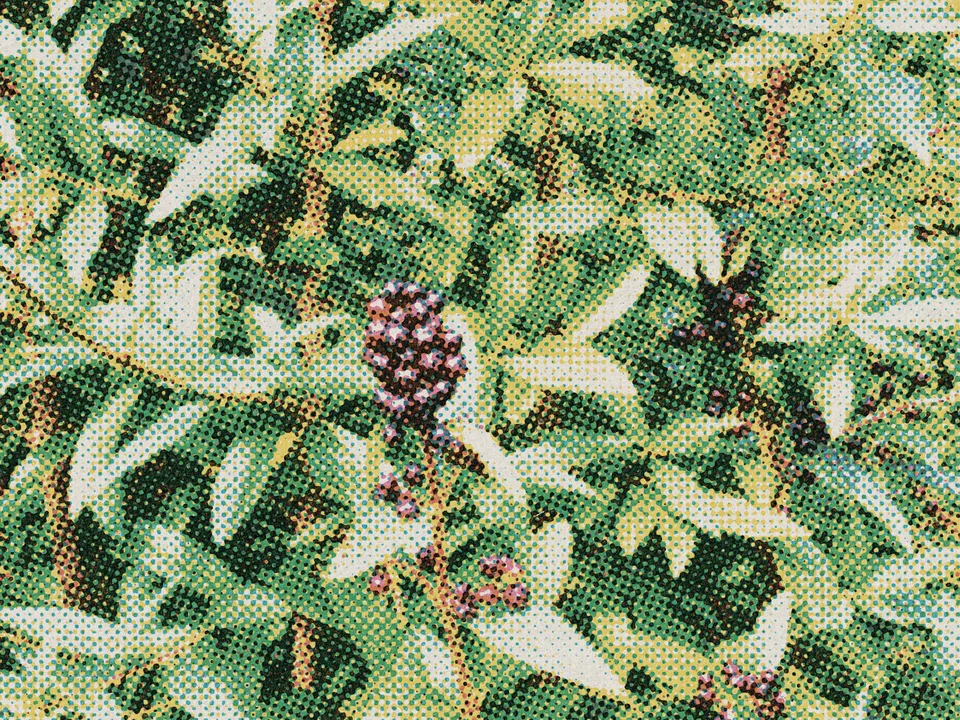

Are privets toxic to cats and dogs?
Yes. Privets (Ligustrum spp.) are toxic to cats and dogs, according to the ASPCA Animal Poison Control Center. Plant Smart rates their effects Critical, level 4 of 4. Signs include drooling, belly pain, diarrhea, dullness or depression, wobbliness or poor coordination and fast heartbeat. Eaten in quantity, it can be fatal.

Is purple foxglove toxic to cats and dogs?
Yes. Purple foxglove (Digitalis purpurea) is toxic to cats and dogs, according to the ASPCA Animal Poison Control Center. Plant Smart rates its effects Critical, level 4 of 4. Signs include irregular heartbeat, vomiting, diarrhea, weakness, heart failure, fast heartbeat and trouble breathing. Eaten in quantity, it can be fatal.


Are raintrees toxic to cats and dogs?
Yes. Raintrees (Brunfelsia spp.) are toxic to cats and dogs, according to the ASPCA Animal Poison Control Center. Plant Smart rates their effects Severe, level 3 of 4. Signs include tremors, seizures, diarrhea, vomiting, drooling, lethargy, wobbliness or poor coordination and coughing.


Are rhododendrons and azaleas toxic to cats and dogs?
Yes. Rhododendrons and azaleas (Rhododendron spp.) are toxic to cats and dogs, according to the ASPCA Animal Poison Control Center. Plant Smart rates their effects Critical, level 4 of 4. Signs include vomiting, diarrhea, drooling, weakness, coma, low blood pressure, dullness or depression, collapse, loss of appetite, wobbliness or poor coordination, stupor, paralysis, irregular heartbeat, heart failure, sluggish, unresponsive behavior, belly pain, weak pulse, lying down and unable to get up and slow heartbeat. Eaten in quantity, it can be fatal. Read the full page on rhododendrons and azaleas.


Is scented hosta toxic to cats and dogs?
Yes. Scented hosta (Hosta plantaginea) is toxic to cats and dogs, according to the ASPCA Animal Poison Control Center. Plant Smart rates its effects Mild, level 1 of 4. Signs include vomiting, diarrhea and dullness or depression.


Is showy baby's-breath toxic to cats and dogs?
Yes. Showy baby's-breath (Gypsophila elegans) is toxic to cats and dogs, according to the ASPCA Animal Poison Control Center. Plant Smart rates its effects Mild, level 1 of 4. Signs include diarrhea and vomiting.

Are spindles toxic to cats and dogs?
Yes. Spindles (Euonymus spp.) are toxic to cats and dogs, according to the ASPCA Animal Poison Control Center. Plant Smart rates their effects Moderate, level 2 of 4. Signs include vomiting, diarrhea, belly pain, weakness and irregular heartbeat.

Is sweet-william toxic to cats and dogs?
Yes. Sweet-william (Dianthus barbatus) is toxic to cats and dogs, according to the ASPCA Animal Poison Control Center. Plant Smart rates its effects Mild, level 1 of 4. Signs include vomiting and skin irritation. Also called brotero's pink.


Is Virginia spiderwort toxic to cats and dogs?
Yes. Virginia spiderwort (Tradescantia virginiana) is toxic to cats and dogs, according to the ASPCA Animal Poison Control Center. Plant Smart rates its effects Mild, level 1 of 4. Signs include skin irritation, vomiting and diarrhea.

Is wax begonia toxic to cats and dogs?
Yes. Wax begonia (Begonia semperflorens) is toxic to cats and dogs, according to the ASPCA Animal Poison Control Center. Plant Smart rates its effects Severe, level 3 of 4. Signs include kidney failure, vomiting and drooling. Also called bedding begonia.
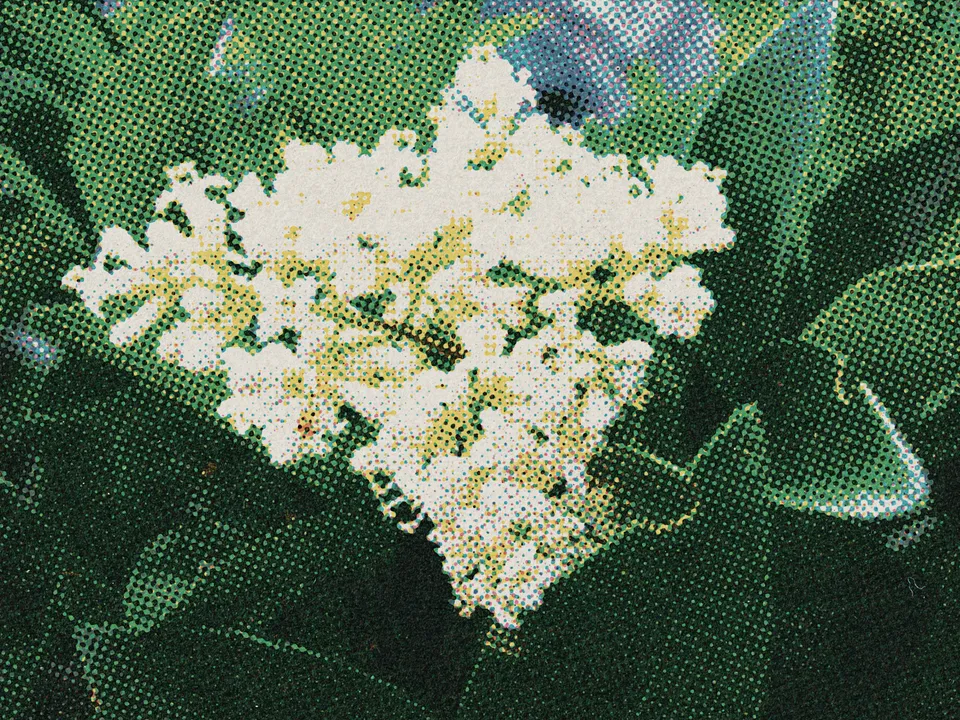
Is wax-leaf ligustrum toxic to cats and dogs?
Yes. Wax-leaf ligustrum (Ligustrum japonicum) is toxic to cats and dogs, according to the ASPCA Animal Poison Control Center. Plant Smart rates its effects Critical, level 4 of 4. Signs include diarrhea, vomiting, wobbliness or poor coordination, fast heartbeat and belly pain. Eaten in quantity, it can be fatal. Also called Japanese tree lilac.

Are wisterias toxic to cats and dogs?
Yes. Wisterias (Wisteria spp.) are toxic to cats and dogs, according to the ASPCA Animal Poison Control Center. Plant Smart rates their effects Mild, level 1 of 4. Signs include vomiting, diarrhea and dullness or depression.


Is yellow bird-of-paradise shrub toxic to cats and dogs?
Yes. Yellow bird-of-paradise shrub (Erythrostemon gilliesii) is toxic to cats and dogs, according to the ASPCA Animal Poison Control Center. Plant Smart rates its effects Severe, level 3 of 4. Signs include mouth irritation, drooling, vomiting, diarrhea, trouble swallowing and wobbliness or poor coordination. Eaten in quantity, it can be fatal.

Are yews toxic to cats and dogs?
Yes. Yews (Taxus spp.) are toxic to cats and dogs, according to the ASPCA Animal Poison Control Center. Plant Smart rates their effects Critical, level 4 of 4. Signs include tremors, trouble breathing, vomiting, seizures, heart failure, diarrhea, slow heartbeat and wobbliness or poor coordination. Eaten in quantity, it can be fatal.


Are yuccas toxic to cats and dogs?
Yes. Yuccas (Yucca spp.) are toxic to cats and dogs, according to the ASPCA Animal Poison Control Center. Plant Smart rates their effects Critical, level 4 of 4. Signs include vomiting, liver damage, skin irritation and liver failure.
§ 040 · Questions
Questions about garden flowers and shrubs toxic to cats and dogs
Which of these are the most dangerous?
Plant Smart rates Boxwood, Broad-leaved sweet pea, Butterfly milkweed, Castor bean, Common lantana, Coontie, Doghobble and Flame lily Critical, the highest of its four levels.
What should I do if my pet ate one?
Call your vet or a pet poison hotline right away, even before signs appear: the ASPCA Animal Poison Control Center at (888) 426-4435, or Pet Poison Helpline at (855) 764-7661. Both charge a fee. Have the plant, or a photo of it, to hand.
Where does this list come from?
From the ASPCA Animal Poison Control Center's plant list, by way of Plant Smart, which adds a four-level severity rating.
Is a plant missing from this list safe?
Not necessarily. A plant can be missing because nobody has reported a case. Call your vet if your pet eats any plant and seems unwell.