Bull Thistle – Cirsium vulgare IntroducedInvasive
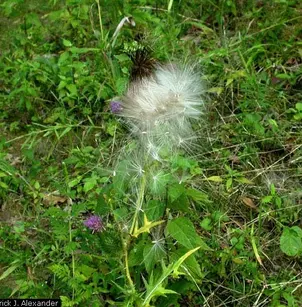
Invasive in the US, and recorded in 7 of Iowa’s 99 counties. Iowa lists Bull Thistle under “Primary noxious weed.”

Iowa (IA) lists 23 plants as noxious weeds under Iowa Code 317.1A. Iowa's list is an agricultural noxious-weed law, which governs control and spread on farmland and rights of way rather than what a nursery may sell.
Iowa names 23 plants, including Canada Thistle, Leafy Spurge and Multiflora Rose. A noxious-weed listing obliges control and limits movement; it does not by itself ban nursery sale. 18 of the 23 are also flagged invasive by GRIIS, which is an ecological finding rather than a ruling by Iowa. Checked against Iowa Code 317.1A on July 20, 2026.
Invasive in the US, and recorded in 7 of Iowa’s 99 counties. Iowa lists Bull Thistle under “Primary noxious weed.”
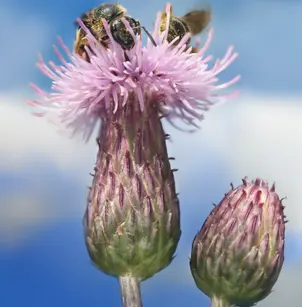
Invasive in the US, and recorded in 18 of Iowa’s 99 counties. Iowa lists Canada Thistle under “Primary noxious weed.”
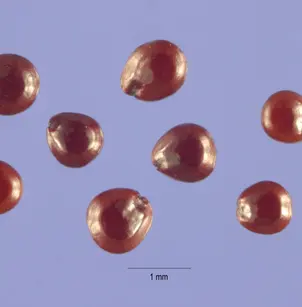
Recorded in no Iowa county. Iowa lists Carelessweed under “Primary noxious weed.”
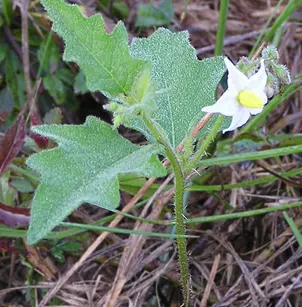
Recorded in 17 of Iowa’s 99 counties. Iowa lists Carolina Horsenettle under “Primary noxious weed.”
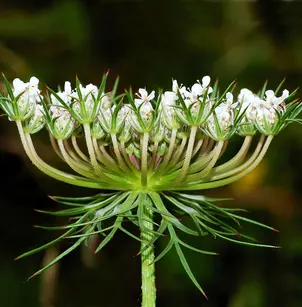
Invasive in the US, and recorded in 24 of Iowa’s 99 counties. Iowa lists Carrot under “Secondary noxious weed.”
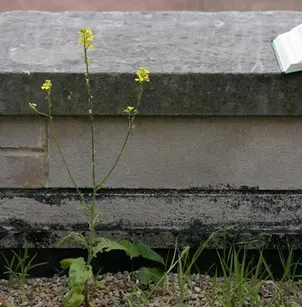
Invasive in the US, and recorded in 24 of Iowa’s 99 counties. Iowa lists Charlock Mustard under “Secondary noxious weed.”
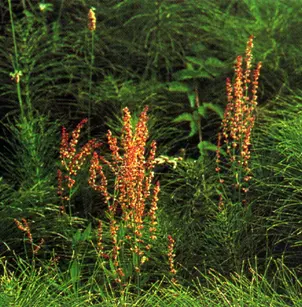
Invasive in the US, and recorded in 17 of Iowa’s 99 counties. Iowa lists Common Sheep Sorrel under “Secondary noxious weed.”
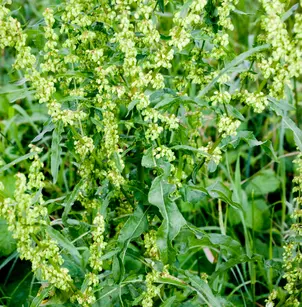
Invasive in the US, and recorded in 24 of Iowa’s 99 counties. Iowa lists Curly Dock under “Secondary noxious weed.”
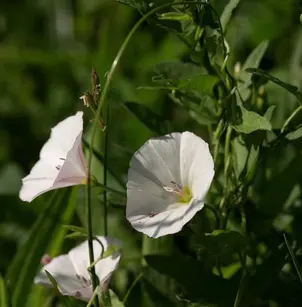
Invasive in the US, and recorded in 6 of Iowa’s 99 counties. Iowa lists Field Bindweed under “Primary noxious weed.”
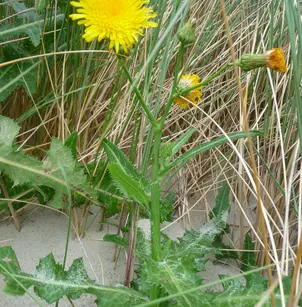
Invasive in the US, and recorded in 6 of Iowa’s 99 counties. Iowa lists Field Sowthistle under “Primary noxious weed.”
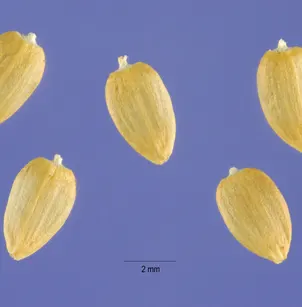
Invasive in the US, and recorded in no Iowa county. Iowa lists Hardheads under “Primary noxious weed.”
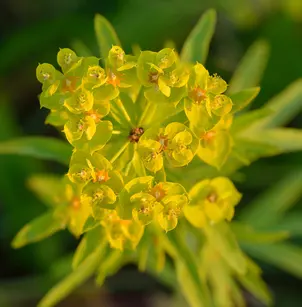
Invasive in the US, and recorded in 11 of Iowa’s 99 counties. Iowa lists Leafy Spurge under “Primary noxious weed.”
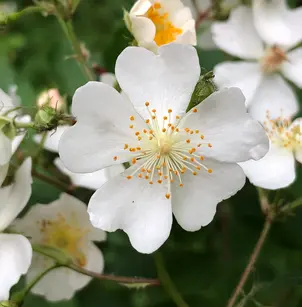
Invasive in the US, and recorded in 2 of Iowa’s 99 counties. Iowa lists Multiflora Rose under “Secondary noxious weed.”
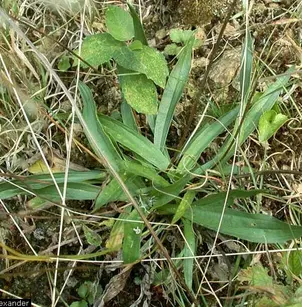
Invasive in the US, and recorded in 8 of Iowa’s 99 counties. Iowa lists Narrowleaf Plantain under “Secondary noxious weed.”
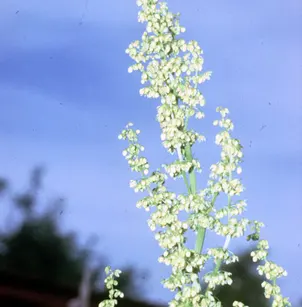
Recorded in 26 of Iowa’s 99 counties. Iowa lists Pale Dock under “Secondary noxious weed.”
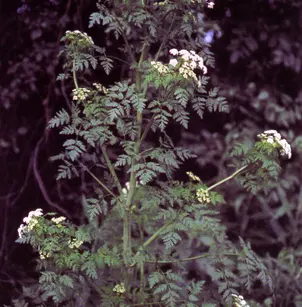
Invasive in the US, and recorded in 6 of Iowa’s 99 counties. Iowa lists Poison Hemlock under “Secondary noxious weed.”
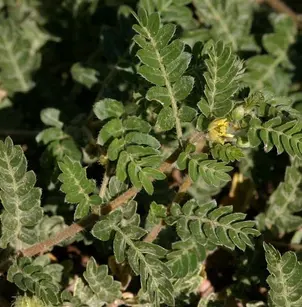
Invasive in the US, and recorded in 4 of Iowa’s 99 counties. Iowa lists Puncturevine under “Secondary noxious weed.”
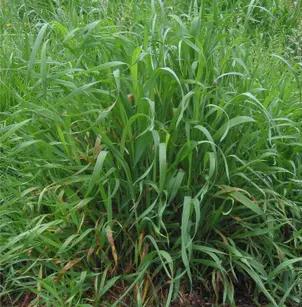
Invasive in the US, and recorded in 37 of Iowa’s 99 counties. Iowa lists Quackgrass under “Primary noxious weed.”
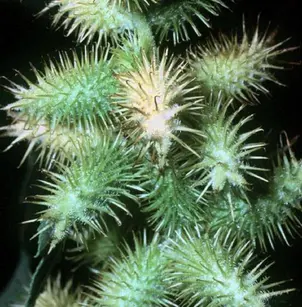
Recorded in 13 of Iowa’s 99 counties. Iowa lists Rough Cocklebur under “Secondary noxious weed.”
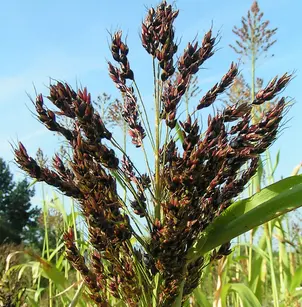
Invasive in the US, and recorded in no Iowa county. Iowa lists Sorghum under “Secondary noxious weed.”
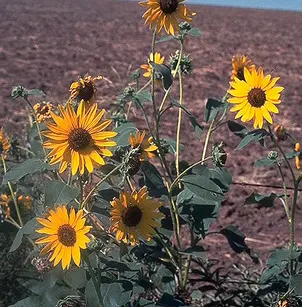
Recorded in 19 of Iowa’s 99 counties. Iowa lists Sunflower under “Secondary noxious weed.”
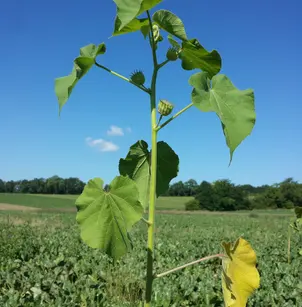
Invasive in the US, and recorded in 6 of Iowa’s 99 counties. Iowa lists Velvetleaf under “Secondary noxious weed.”
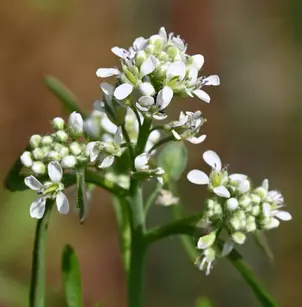
Invasive in the US, and recorded in 6 of Iowa’s 99 counties. Iowa lists Whitetop under “Primary noxious weed.”
No plant on Iowa’s list matches that.
5 of these plants are native to part of the United States, marked US native above. Nativity is regional. Black locust is native to the Appalachians and regulated in New England; Palmer amaranth is native to the Southwest and listed as an agricultural weed in the Corn Belt. A listing tells you what Iowa regulates, not where a plant belongs. The county checker answers the second question.
Want to check a plant by photo or county?
Use our “Is it native” tool for free.Compiled from the rule itself, retrieved July 20, 2026. Law changes; if you spot a listing we have wrong or stale, tell us at support@getezina.com.
| Plant | Scientific name | Status | Plant instead |
|---|---|---|---|
| Bull Thistle | Cirsium vulgare | ListedInvasiveIowa says “Primary noxious weed” | — |
| Canada Thistle | Cirsium arvense | ListedInvasiveIowa says “Primary noxious weed” | — |
| Carelessweed US native | Amaranthus palmeri | ListedIowa says “Primary noxious weed” | — |
| Carolina Horsenettle US native | Solanum carolinense | ListedIowa says “Primary noxious weed” | — |
| Carrot | Daucus carota | ListedInvasiveIowa says “Secondary noxious weed” | — |
| Charlock Mustard | Sinapis arvensis | ListedInvasiveIowa says “Secondary noxious weed” | — |
| Common Sheep Sorrel | Rumex acetosella | ListedInvasiveIowa says “Secondary noxious weed” | — |
| Curly Dock | Rumex crispus | ListedInvasiveIowa says “Secondary noxious weed” | — |
| Field Bindweed | Convolvulus arvensis | ListedInvasiveIowa says “Primary noxious weed” | — |
| Field Sowthistle | Sonchus arvensis | ListedInvasiveIowa says “Primary noxious weed” | — |
| Hardheads | Acroptilon repens | ListedInvasiveIowa says “Primary noxious weed” | — |
| Leafy Spurge | Euphorbia esula | ListedInvasiveIowa says “Primary noxious weed” | — |
| Multiflora Rose | Rosa multiflora | ListedInvasiveIowa says “Secondary noxious weed” | American Black Currant, White Meadowsweet, Smooth Rose |
| Narrowleaf Plantain | Plantago lanceolata | ListedInvasiveIowa says “Secondary noxious weed” | — |
| Pale Dock US native | Rumex altissimus | ListedIowa says “Secondary noxious weed” | — |
| Poison Hemlock | Conium maculatum | ListedInvasiveIowa says “Secondary noxious weed” | — |
| Puncturevine | Tribulus terrestris | ListedInvasiveIowa says “Secondary noxious weed” | — |
| Quackgrass | Elymus repens | ListedInvasiveIowa says “Primary noxious weed” | — |
| Rough Cocklebur US native | Xanthium strumarium | ListedIowa says “Secondary noxious weed” | — |
| Sorghum | Sorghum bicolor | ListedInvasiveIowa says “Secondary noxious weed” | — |
| Sunflower US native | Helianthus annuus | ListedIowa says “Secondary noxious weed” | — |
| Velvetleaf | Abutilon theophrasti | ListedInvasiveIowa says “Secondary noxious weed” | — |
| Whitetop | Cardaria draba | ListedInvasiveIowa says “Primary noxious weed” | — |
Where this comes from
Plants that two or more states bordering Iowa regulate, and Iowa does not. A listing is a legal act rather than an ecological one, so a plant can be a documented problem here and still be sold here.
Not under that name. Iowa's legal list is a noxious-weed list: 23 plants named under Iowa Code 317.1A, an agricultural noxious-weed law, which governs control and spread on farmland and rights of way rather than what a nursery may sell. GRIIS, the Global Register of Introduced and Invasive Species, flags 18 of these 23 as invasive in the lower 48 states. That is an ecological finding, not a ruling by Iowa. This page shows both side by side.
Iowa's list is an agricultural noxious-weed law, which governs control and spread on farmland and rights of way rather than what a nursery may sell. 23 plants are named under Iowa Code 317.1A. A noxious-weed listing does not automatically ban nursery sale, so check the rule itself before assuming a plant cannot be bought or sold.
Search the table on this page for Iowa's legal determination, then look for the Invasive chip beside it, which is a separate ecological finding from GRIIS rather than a ruling by Iowa. A plant can carry one, both, or neither. For an address-level answer, enter the plant's name in Ezina's checker to get its Iowa status alongside whether USDA records it as native to your specific county. Every answer links the record it came from.
Not necessarily, and the distinction matters. Iowa's list is an agricultural noxious-weed law: it obliges landowners to control these plants and restricts moving them, rather than making the act of planting one an offence in itself. Iowa Code 317.1A is the text that says what is actually required of you, and it is linked beside every plant here.
No. This page reproduces what Iowa regulates, and a state list is a legal instrument rather than an ecological verdict. Plenty of plants spread aggressively without ever being listed, and states add species years after the problem is documented.
Grow natives easily with Ezina
We provide the tools you need to succeed.

Snap a photo or type the name. Ezina matches it to a library of about 40,000 species and starts a care plan tailored to your zone, the local weather, and the time of year.

A schedule built from local rain, temperature, and sun, not a fixed weekly cadence. You get a single notification when a plant actually needs water. Easily add treatments for diseases and pests.

Our garden planner Dig helps you understand what works best for your location and makes suggestions based off your long term goals.
Snap a photo or type the name. Ezina matches it to a library of about 40,000 species and starts a care plan tailored to your zone, the local weather, and the time of year.
A schedule built from local rain, temperature, and sun, not a fixed weekly cadence. You get a single notification when a plant actually needs water. Easily add treatments for diseases and pests.
Our garden planner Dig helps you understand what works best for your location and makes suggestions based off your long term goals.
Compiled from peer-reviewed research, USDA documentation,
and direct scientific observation across the United States.
Thank you for signing up!
Confirmation is heading to your inbox now. If you don’t receive it in the next 15 minutes contact us at support@getezina.com

