American Spongeplant – Limnobium spongia Not recorded hereProhibited
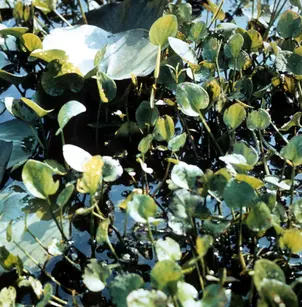
Recorded in no Washington county. Washington lists American Spongeplant under “Class A.”

Washington (WA) lists 166 plants as noxious weeds under WAC 16-750. Washington's list is an agricultural noxious-weed law, which governs control and spread on farmland and rights of way rather than what a nursery may sell.
Washington names 166 plants, including Waterthyme, Garlic Mustard and Giant Hogweed. A noxious-weed listing obliges control and limits movement; it does not by itself ban nursery sale. 110 of the 166 are also flagged invasive by GRIIS, which is an ecological finding rather than a ruling by Washington. Checked against WAC 16-750 on July 20, 2026.
Recorded in no Washington county. Washington lists American Spongeplant under “Class A.”
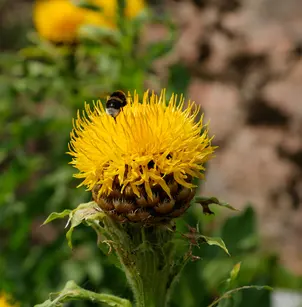
Invasive in the US, and recorded in 13 of Washington’s 39 counties. Washington lists Bighead Knapweed under “Class A.”
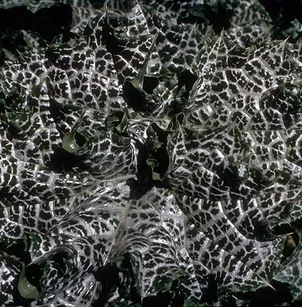
Invasive in the US, and recorded in 10 of Washington’s 39 counties. Washington lists Blessed Milkthistle under “Class A.”
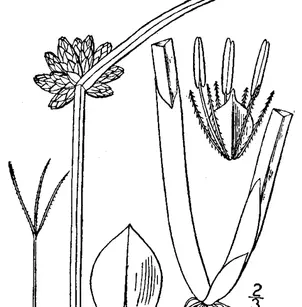
Invasive in the US, and recorded in no Washington county. Washington lists Bog Bulrush under “Class A.”
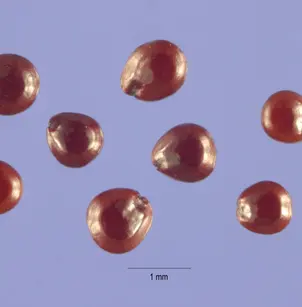
Recorded in no Washington county. Washington lists Carelessweed under “Class A.”
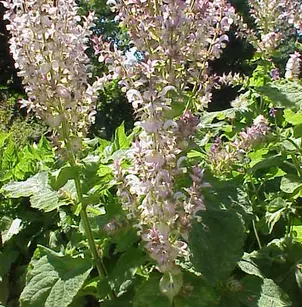
Recorded in 6 of Washington’s 39 counties. Washington lists Clary Sage under “Class A.”
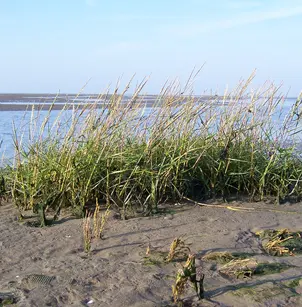
Recorded in 6 of Washington’s 39 counties. Washington lists Common Cordgrass under “Class A.”
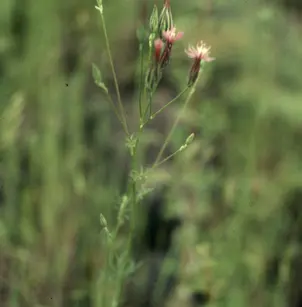
Invasive in the US, and recorded in 1 of Washington’s 39 counties. Washington lists Common Crupina under “Class A.”
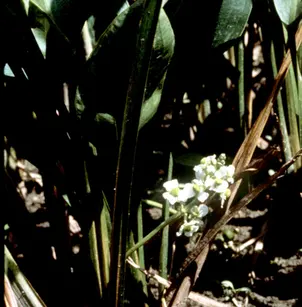
Recorded in no Washington county. Washington lists Delta Arrowhead under “Class A.”
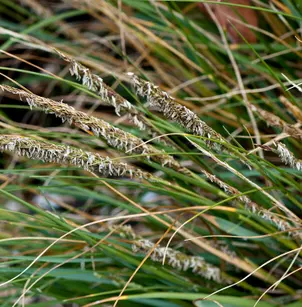
Recorded in 1 of Washington’s 39 counties. Washington lists Denseflower Cordgrass under “Class A.”
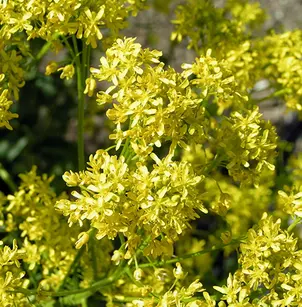
Invasive in the US, and recorded in 1 of Washington’s 39 counties. Washington lists Dyer's Woad under “Class A.”
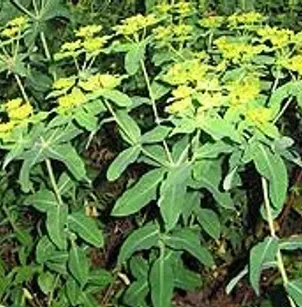
Recorded in 1 of Washington’s 39 counties. Washington lists Eggleaf Spurge under “Class A.”
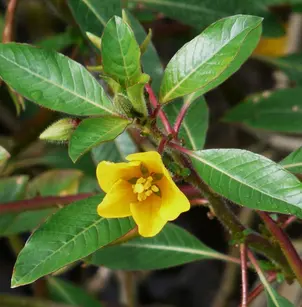
Recorded in no Washington county. Washington lists Floating Primrose-Willow under “Class A.”
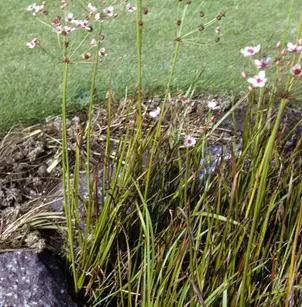
Invasive in the US, and recorded in no Washington county. Washington lists Flowering Rush under “Class A.”
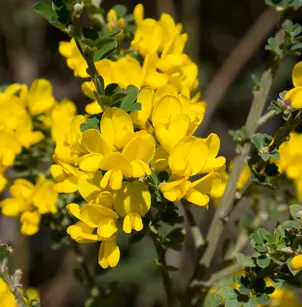
Invasive in the US, and recorded in no Washington county. Washington lists French Broom under “Class A.”
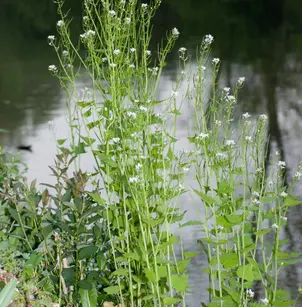
Invasive in the US, and recorded in 1 of Washington’s 39 counties. Washington lists Garlic Mustard under “Class A.”
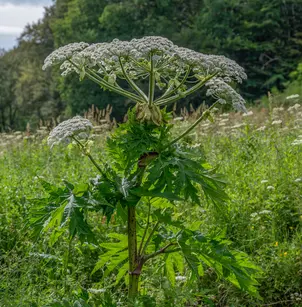
Invasive in the US, and recorded in 14 of Washington’s 39 counties. Washington lists Giant Hogweed under “Class A.”
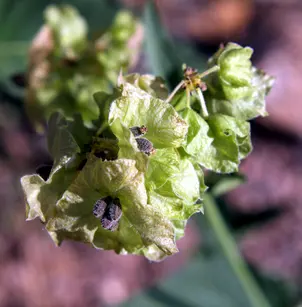
Recorded in 3 of Washington’s 39 counties. Washington lists Heartleaf Four O'clock under “Class A.”
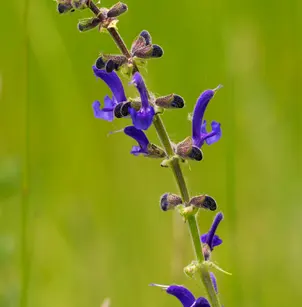
Recorded in 5 of Washington’s 39 counties. Washington lists Introduced Sage under “Class A.”
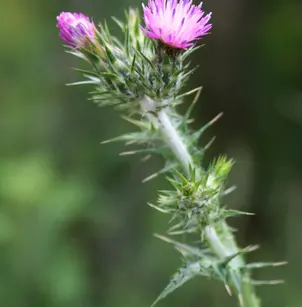
Invasive in the US, and recorded in 3 of Washington’s 39 counties. Washington lists Italian Plumeless Thistle under “Class A.”
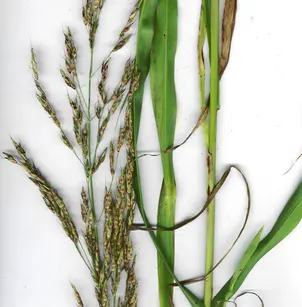
Invasive in the US, and recorded in 14 of Washington’s 39 counties. Washington lists Johnsongrass under “Class A.”
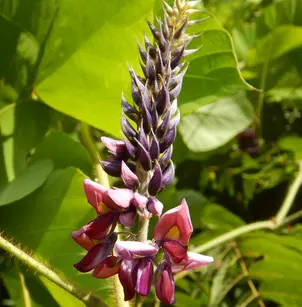
Invasive in the US, and recorded in no Washington county. Washington lists Kudzu under “Class A.”
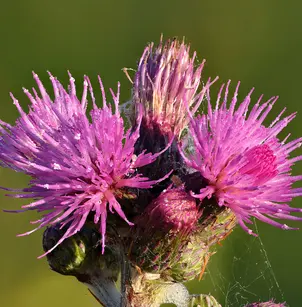
Invasive in the US, and recorded in no Washington county. Washington lists Marsh Thistle under “Class A.”
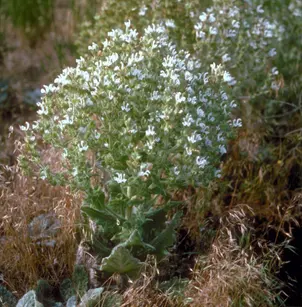
Invasive in the US, and recorded in 2 of Washington’s 39 counties. Washington lists Mediterranean Sage under “Class A.”
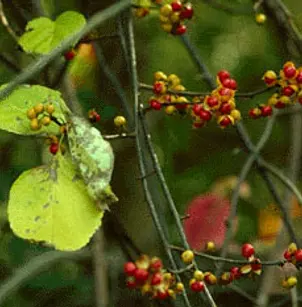
Invasive in the US, and recorded in no Washington county. Washington lists Oriental Bittersweet under “Class A.”
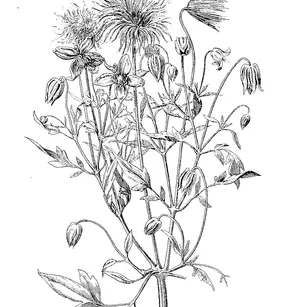
Recorded in no Washington county. Washington lists Oriental Virginsbower under “Class A.”
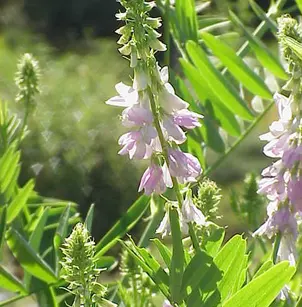
Invasive in the US, and recorded in 2 of Washington’s 39 counties. Washington lists Professor-Weed under “Class A.”
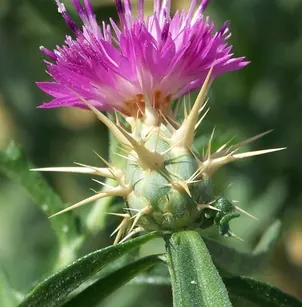
Invasive in the US, and recorded in 5 of Washington’s 39 counties. Washington lists Red Star-Thistle under “Class A.”
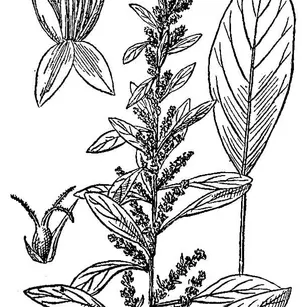
Recorded in no Washington county. Washington lists Roughfruit Amaranth under “Class A.”
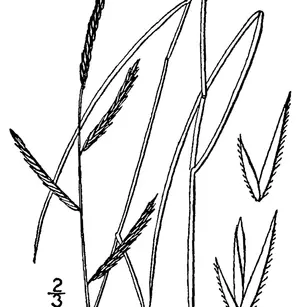
Recorded in 1 of Washington’s 39 counties. Washington lists Saltmeadow Cordgrass under “Class A.”
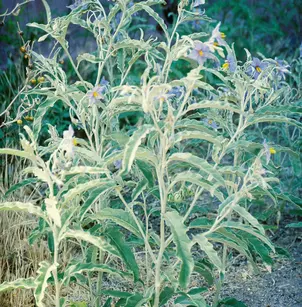
Recorded in 4 of Washington’s 39 counties. Washington lists Silverleaf Nightshade under “Class A.”
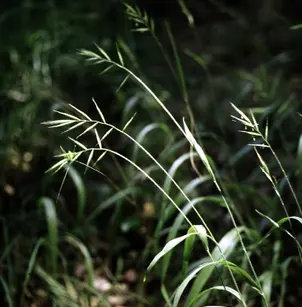
Invasive in the US, and recorded in no Washington county. Washington lists Slender False Brome under “Class A.”
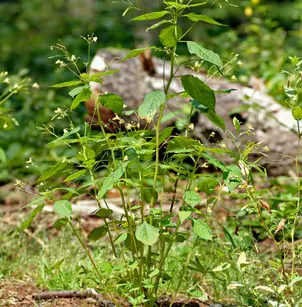
Invasive in the US, and recorded in no Washington county. Washington lists Smallflower Touchmenot under “Class A.”
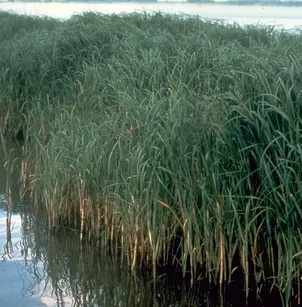
Recorded in 5 of Washington’s 39 counties. Washington lists Smooth Cordgrass under “Class A.”
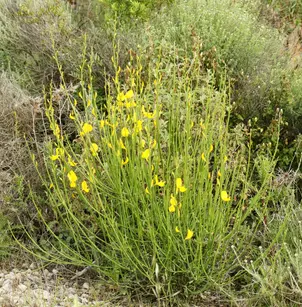
Invasive in the US, and recorded in 9 of Washington’s 39 counties. Washington lists Spanish Broom under “Class A.”
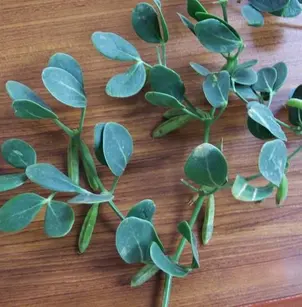
Invasive in the US, and recorded in 6 of Washington’s 39 counties. Washington lists Syrian Beancaper under “Class A.”
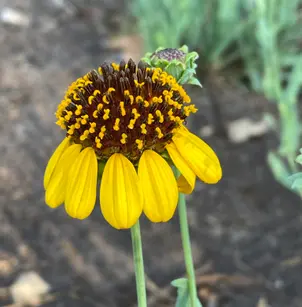
Recorded in 1 of Washington’s 39 counties. Washington lists Texas Blueweed under “Class A.”
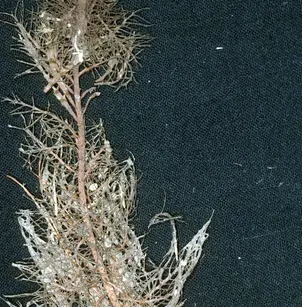
Recorded in no Washington county. Washington lists Twoleaf Watermilfoil under “Class A.”
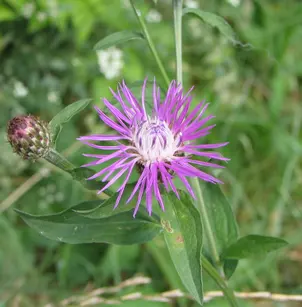
Recorded in 21 of Washington’s 39 counties. Washington lists Tyrol Knapweed under “Class A.”
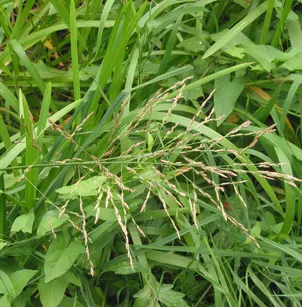
Invasive in the US, and recorded in no Washington county. Washington lists Variegated Water Grass under “Class A.”
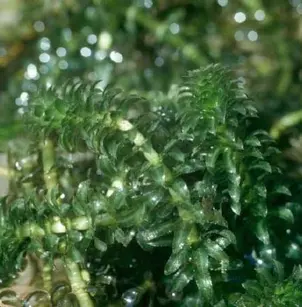
Invasive in the US, and recorded in 1 of Washington’s 39 counties. Washington lists Waterthyme under “Class A.”
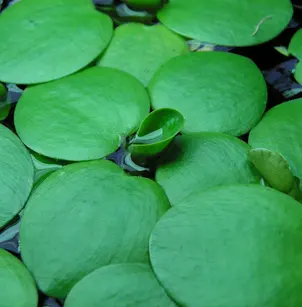
Recorded in no Washington county. Washington lists West Indian Spongeplant under “Class A.”
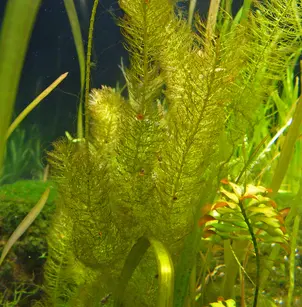
Recorded in 2 of Washington’s 39 counties. Washington lists Western Watermilfoil under “Class A.”
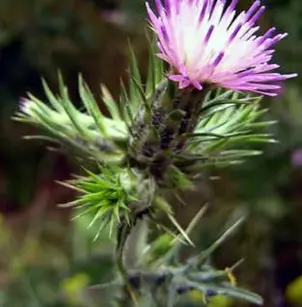
Recorded in 1 of Washington’s 39 counties. Washington lists Winged Plumeless Thistle under “Class A.”
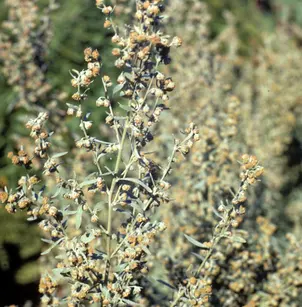
Invasive in the US, and recorded in 26 of Washington’s 39 counties. Washington lists Absinthium under “Class C.”
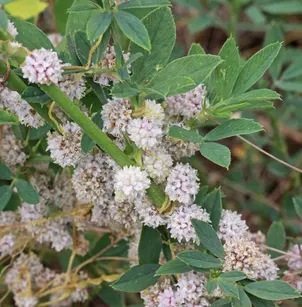
Recorded in 15 of Washington’s 39 counties. Washington lists Alfalfa Dodder under “Class C.”
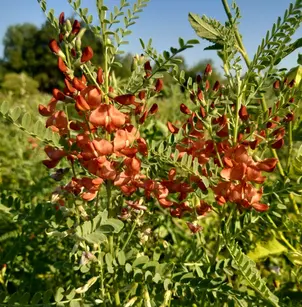
Recorded in 7 of Washington’s 39 counties. Washington lists Alkali Swainsonpea under “Class C.”
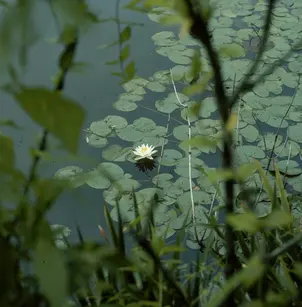
Recorded in 14 of Washington’s 39 counties. Washington lists American White Waterlily under “Class C.”
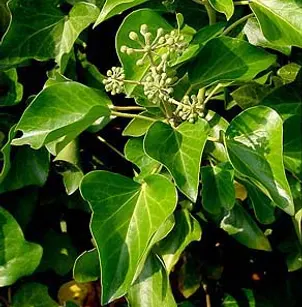
Invasive in the US, and recorded in 14 of Washington’s 39 counties. Washington lists Atlantic Ivy under “Class C.”
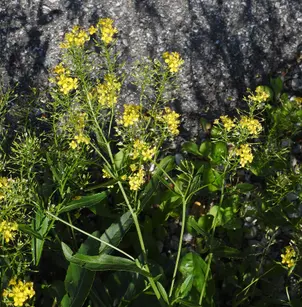
Invasive in the US, and recorded in 3 of Washington’s 39 counties. Washington lists Austrian Yellowcress under “Class C.”
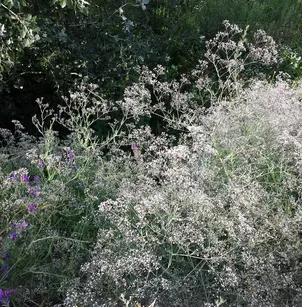
Invasive in the US, and recorded in 25 of Washington’s 39 counties. Washington lists Baby's Breath under “Class C.”
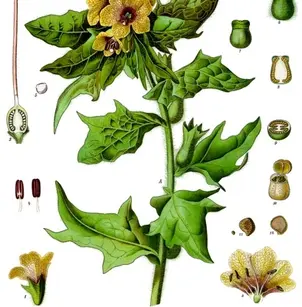
Invasive in the US, and recorded in 9 of Washington’s 39 counties. Washington lists Black Henbane under “Class C.”
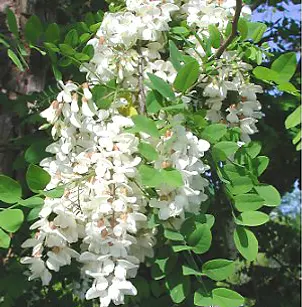
Recorded in 12 of Washington’s 39 counties. Washington lists Black Locust under “Class C.”
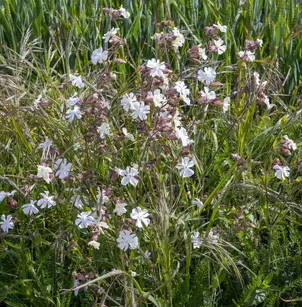
Invasive in the US, and recorded in 27 of Washington’s 39 counties. Washington lists Bladder Campion under “Class C.”
Recorded in no Washington county. Washington lists Bohemian Knotweed under “Class B.”
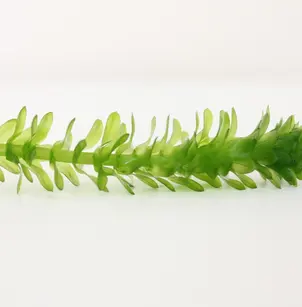
Invasive in the US, and recorded in 17 of Washington’s 39 counties. Washington lists Brazilian Waterweed under “Class B.”
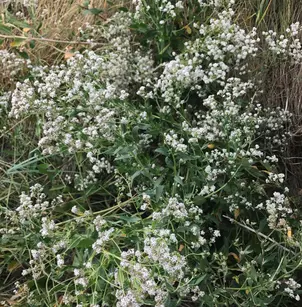
Invasive in the US, and recorded in 24 of Washington’s 39 counties. Washington lists Broadleaved Pepperweed under “Class B.”
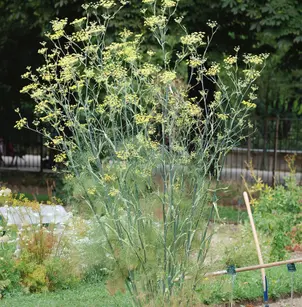
Invasive in the US, and recorded in 9 of Washington’s 39 counties. Washington lists Bronze Fennel under “Class B.”
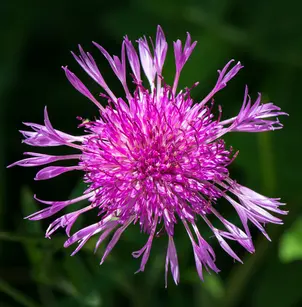
Invasive in the US, and recorded in 17 of Washington’s 39 counties. Washington lists Brownray Knapweed under “Class B.”
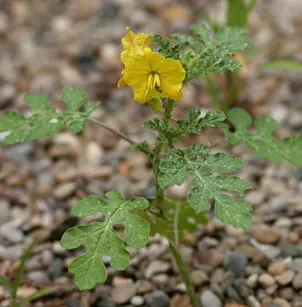
Recorded in 27 of Washington’s 39 counties. Washington lists Buffalobur Nightshade under “Class C.”
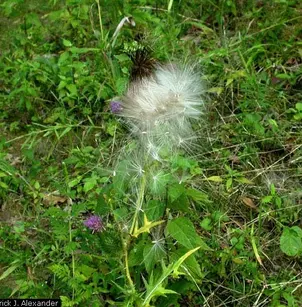
Invasive in the US, and recorded in 38 of Washington’s 39 counties. Washington lists Bull Thistle under “Class C.”
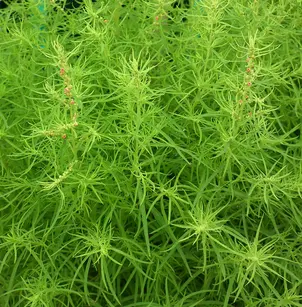
Invasive in the US, and recorded in 27 of Washington’s 39 counties. Washington lists Burningbush under “Class B.”
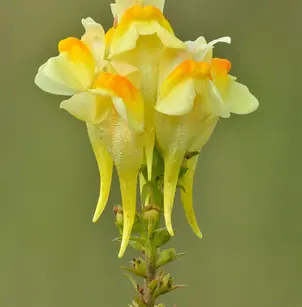
Invasive in the US, and recorded in 31 of Washington’s 39 counties. Washington lists Butter and Eggs under “Class C.”
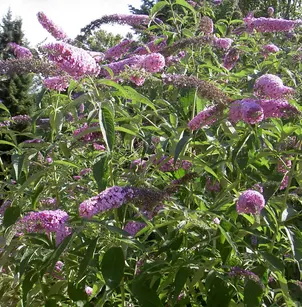
Invasive in the US, and recorded in 6 of Washington’s 39 counties. Washington lists Butterfly Bush under “Class B.”
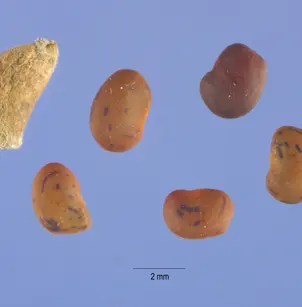
Invasive in the US, and recorded in 6 of Washington’s 39 counties. Washington lists Camelthorn under “Class B.”
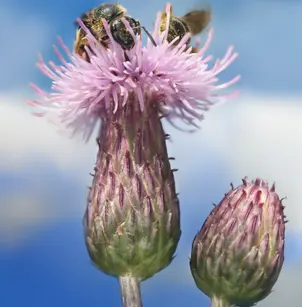
Invasive in the US, and recorded in 39 of Washington’s 39 counties. Washington lists Canada Thistle under “Class C.”
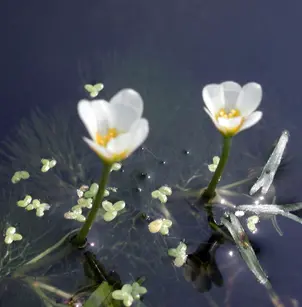
Recorded in 2 of Washington’s 39 counties. Washington lists Carolina Fanwort under “Class B.”
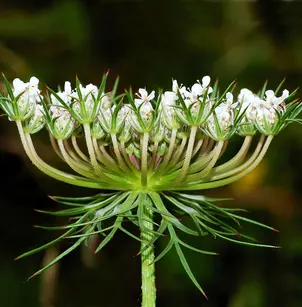
Invasive in the US, and recorded in 32 of Washington’s 39 counties. Washington lists Carrot under “Class C.”
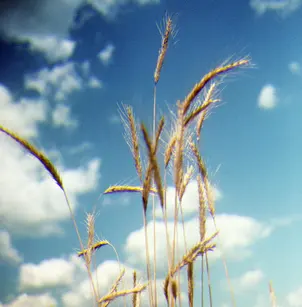
Invasive in the US, and recorded in 24 of Washington’s 39 counties. Washington lists Cereal Rye under “Class C.”
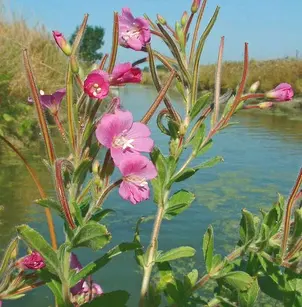
Invasive in the US, and recorded in 5 of Washington’s 39 counties. Washington lists Codlins and Cream under “Class B.”
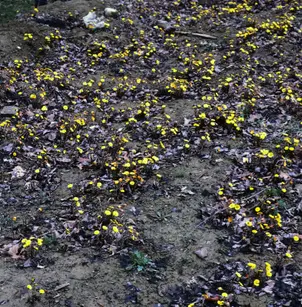
Invasive in the US, and recorded in 2 of Washington’s 39 counties. Washington lists Coltsfoot under “Class B.”
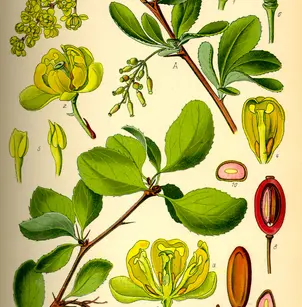
Invasive in the US, and recorded in 3 of Washington’s 39 counties. Washington lists Common Barberry under “Class C.”
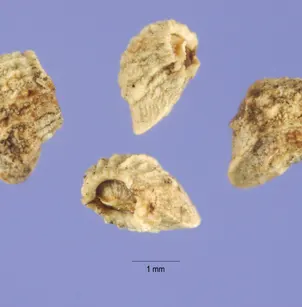
Recorded in 14 of Washington’s 39 counties. Washington lists Common Bugloss under “Class B.”
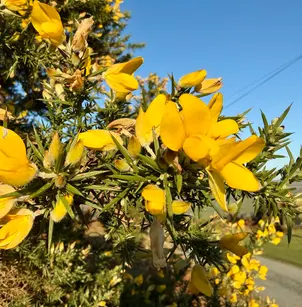
Invasive in the US, and recorded in 11 of Washington’s 39 counties. Washington lists Common Gorse under “Class B.”
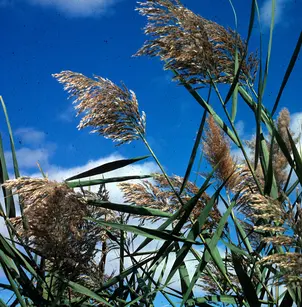
Recorded in 20 of Washington’s 39 counties. Washington lists Common Reed under “Class B.”
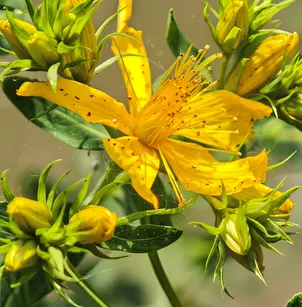
Invasive in the US, and recorded in 37 of Washington’s 39 counties. Washington lists Common St. Johnswort under “Class C.”
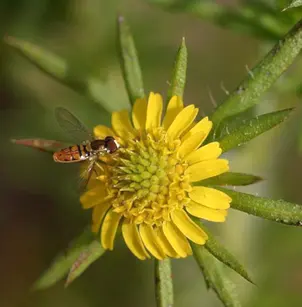
Recorded in 8 of Washington’s 39 counties. Washington lists Common Tarweed under “Class C.”
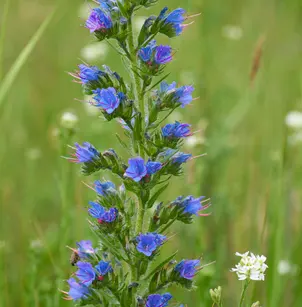
Invasive in the US, and recorded in 11 of Washington’s 39 counties. Washington lists Common Viper's Bugloss under “Class B.”
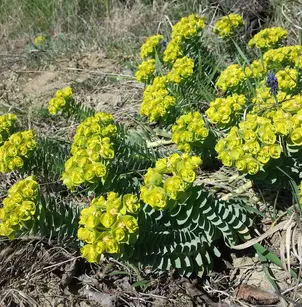
Recorded in 10 of Washington’s 39 counties. Washington lists Creeping Spurge under “Class B.”
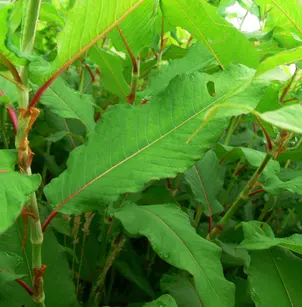
Invasive in the US, and recorded in 6 of Washington’s 39 counties. Washington lists Cultivated Knotweed under “Class B.”
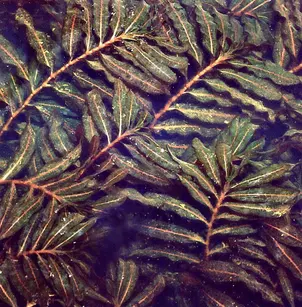
Invasive in the US, and recorded in 9 of Washington’s 39 counties. Washington lists Curly Pondweed under “Class C.”
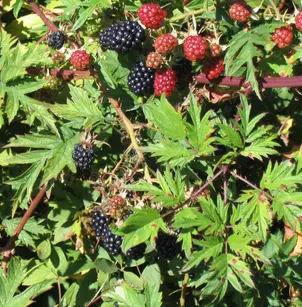
Invasive in the US, and recorded in 20 of Washington’s 39 counties. Washington lists Cutleaf Blackberry under “Class C.”
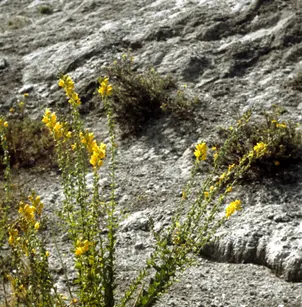
Invasive in the US, and recorded in 34 of Washington’s 39 counties. Washington lists Dalmatian Toadflax under “Class B.”
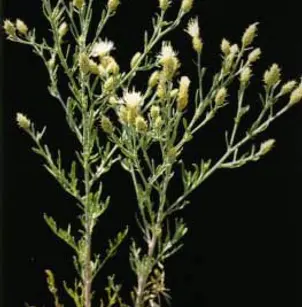
Invasive in the US, and recorded in 34 of Washington’s 39 counties. Washington lists Diffuse Knapweed under “Class B.”
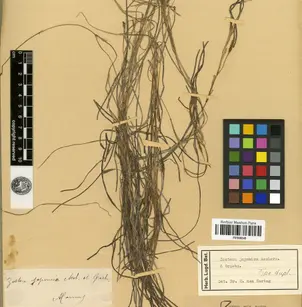
Recorded in 3 of Washington’s 39 counties. Washington lists Dwarf Eelgrass under “Class C.”
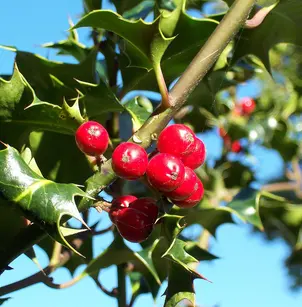
Invasive in the US, and recorded in 21 of Washington’s 39 counties. Washington lists English Holly under “Class C.”
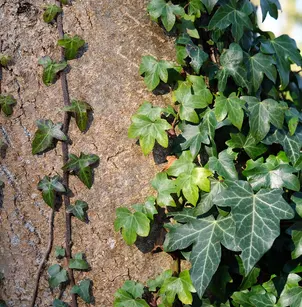
Invasive in the US, and recorded in 18 of Washington’s 39 counties. Washington lists English Ivy under “Class C.”
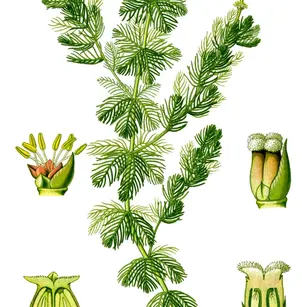
Invasive in the US, and recorded in 30 of Washington’s 39 counties. Washington lists Eurasian Watermilfoil under “Class B.”
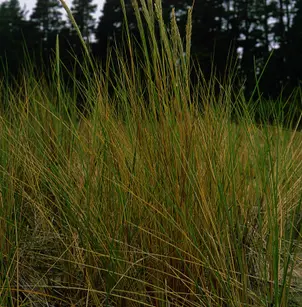
Invasive in the US, and recorded in 4 of Washington’s 39 counties. Washington lists European Beachgrass under “Class C.”
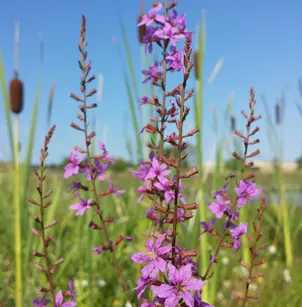
Recorded in 3 of Washington’s 39 counties. Washington lists European Wand Loosestrife under “Class B.”
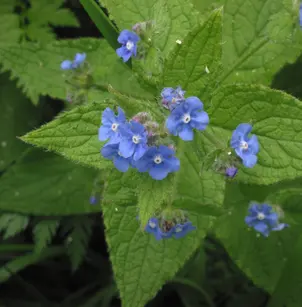
Invasive in the US, and recorded in 3 of Washington’s 39 counties. Washington lists Evergreen Bugloss under “Class C.”
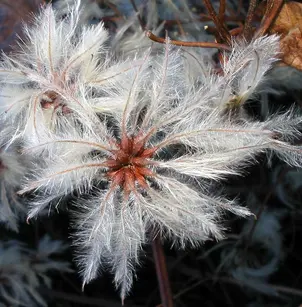
Invasive in the US, and recorded in 16 of Washington’s 39 counties. Washington lists Evergreen Clematis under “Class C.”
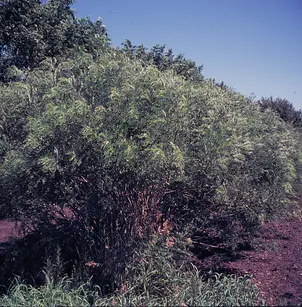
Recorded in 14 of Washington’s 39 counties. Washington lists False Indigobush under “Class B.”
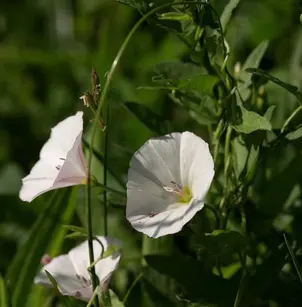
Invasive in the US, and recorded in 37 of Washington’s 39 counties. Washington lists Field Bindweed under “Class C.”
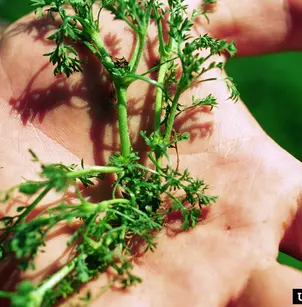
Invasive in the US, and recorded in 4 of Washington’s 39 counties. Washington lists Field Burrweed under “Class C.”
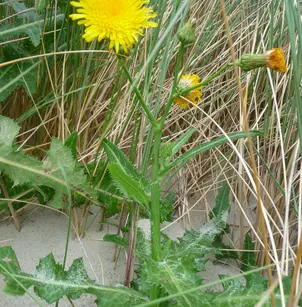
Invasive in the US, and recorded in 22 of Washington’s 39 counties. Washington lists Field Sowthistle under “Class C.”
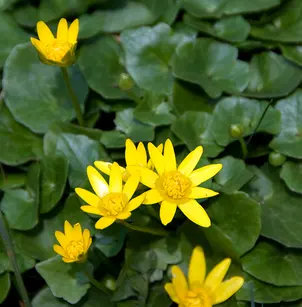
Invasive in the US, and recorded in no Washington county. Washington lists Fig Buttercup under “Class B.”
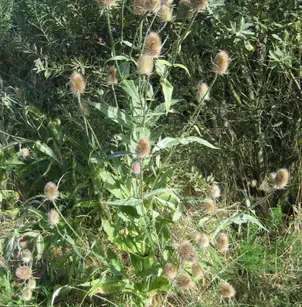
Recorded in 24 of Washington’s 39 counties. Washington lists Fuller's Teasel under “Class C.”
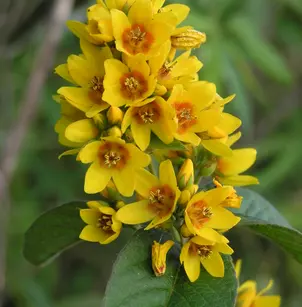
Invasive in the US, and recorded in 4 of Washington’s 39 counties. Washington lists Garden Yellow Loosestrife under “Class B.”
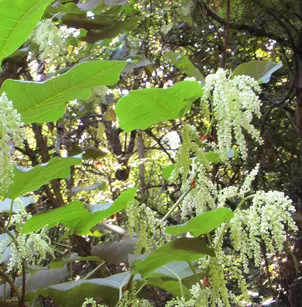
Invasive in the US, and recorded in 21 of Washington’s 39 counties. Washington lists Giant Knotweed under “Class B.”
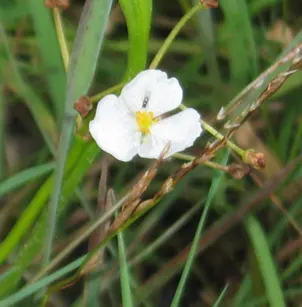
Recorded in 1 of Washington’s 39 counties. Washington lists Grassy Arrowhead under “Class B.”
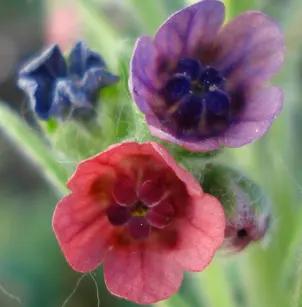
Invasive in the US, and recorded in 21 of Washington’s 39 counties. Washington lists Gypsyflower under “Class B.”
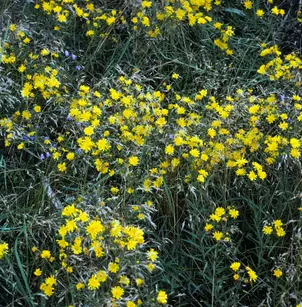
Invasive in the US, and recorded in 28 of Washington’s 39 counties. Washington lists Hairy Cat's Ear under “Class C.”
Recorded in 13 of Washington’s 39 counties. Washington lists Hairy Whitetop under “Class C.”
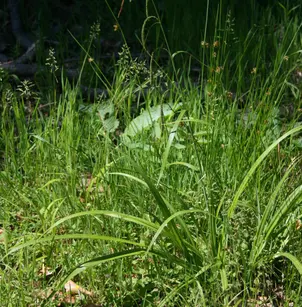
Recorded in 1 of Washington’s 39 counties. Washington lists Hanging Sedge under “Class B.”
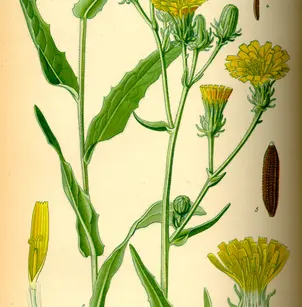
Recorded in 2 of Washington’s 39 counties. Washington lists Hawkweed Oxtongue under “Class B.”
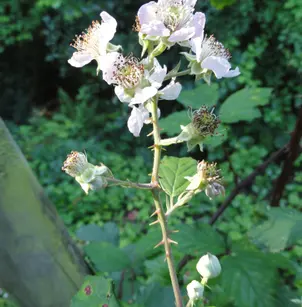
Invasive in the US, and recorded in no Washington county. Washington lists Himalayan Berry under “Class C.”
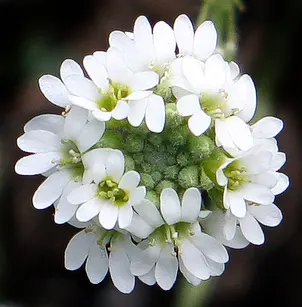
Invasive in the US, and recorded in 7 of Washington’s 39 counties. Washington lists Hoary Alyssum under “Class B.”
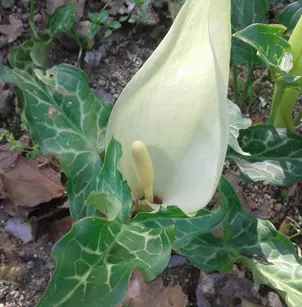
Recorded in no Washington county. Washington lists Italian Arum under “Class C.”
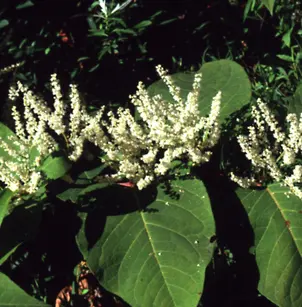
Invasive in the US, and recorded in 30 of Washington’s 39 counties. Washington lists Japanese Knotweed under “Class B.”
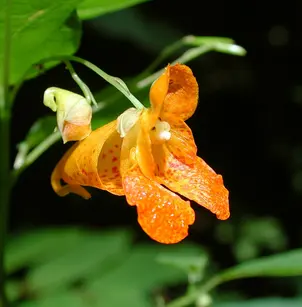
Recorded in 10 of Washington’s 39 counties. Washington lists Jewelweed under “Class C.”
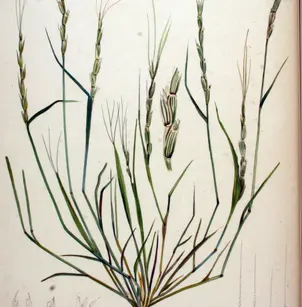
Invasive in the US, and recorded in 20 of Washington’s 39 counties. Washington lists Jointed Goatgrass under “Class C.”
Recorded in no Washington county. Washington lists Knapweed under “Class B.”
Recorded in no Washington county. Washington lists Large-Flower Primrose-Willow under “Class B.”
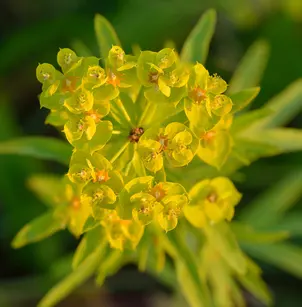
Invasive in the US, and recorded in 20 of Washington’s 39 counties. Washington lists Leafy Spurge under “Class B.”
Recorded in 6 of Washington’s 39 counties. Washington lists Lenspod Whitetop under “Class C.”
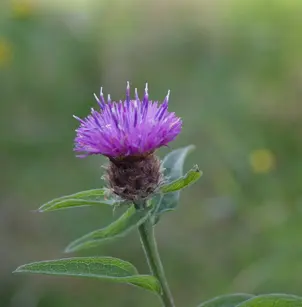
Invasive in the US, and recorded in 9 of Washington’s 39 counties. Washington lists Lesser Knapweed under “Class B.”
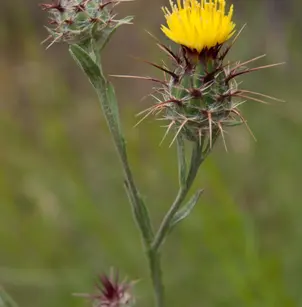
Invasive in the US, and recorded in 5 of Washington’s 39 counties. Washington lists Maltese Star-Thistle under “Class B.”
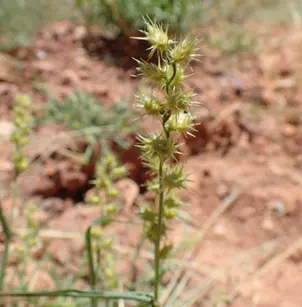
Recorded in 15 of Washington’s 39 counties. Washington lists Mat Sandbur under “Class C.”
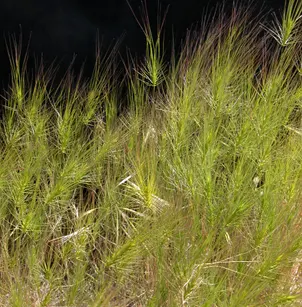
Invasive in the US, and recorded in 13 of Washington’s 39 counties. Washington lists Medusahead under “Class C.”
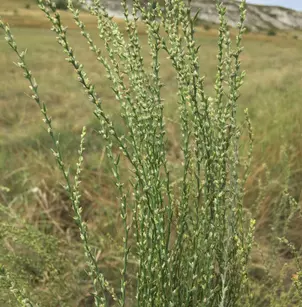
Recorded in 1 of Washington’s 39 counties. Washington lists Mezereon under “Class B.”
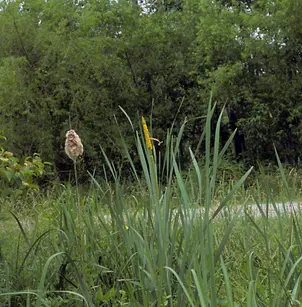
Invasive in the US, and recorded in 2 of Washington’s 39 counties. Washington lists Narrowleaf Cattail under “Class C.”
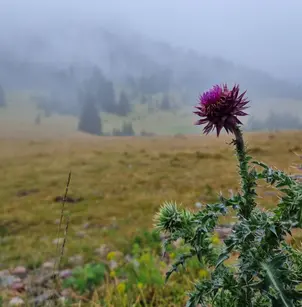
Invasive in the US, and recorded in 20 of Washington’s 39 counties. Washington lists Nodding Plumeless Thistle under “Class B.”
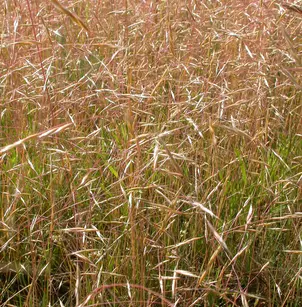
Invasive in the US, and recorded in 9 of Washington’s 39 counties. Washington lists North Africa Grass under “Class C.”
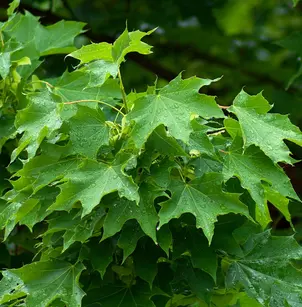
Invasive in the US, and recorded in 3 of Washington’s 39 counties. Washington lists Norway Maple under “Class C.”
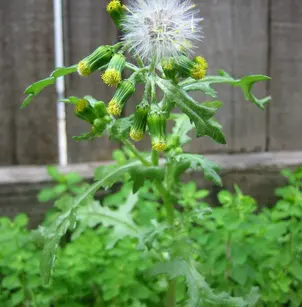
Invasive in the US, and recorded in 28 of Washington’s 39 counties. Washington lists Old-Man-In-The-Spring under “Class C.”
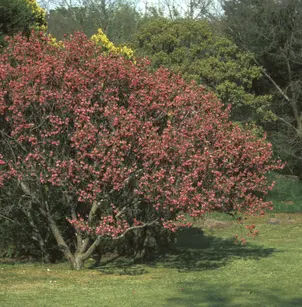
Invasive in the US, and recorded in 13 of Washington’s 39 counties. Washington lists Oneseed Hawthorn under “Class C.”
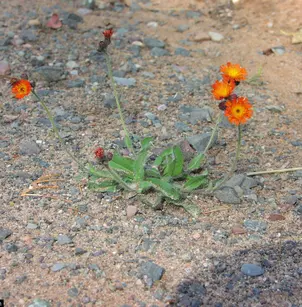
Invasive in the US, and recorded in 23 of Washington’s 39 counties. Washington lists Orange Hawkweed under “Class B.”
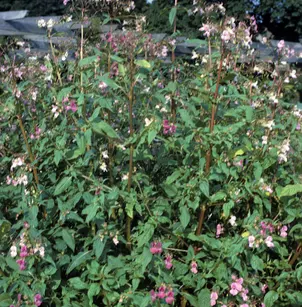
Invasive in the US, and recorded in 13 of Washington’s 39 counties. Washington lists Ornamental Jewelweed under “Class B.”
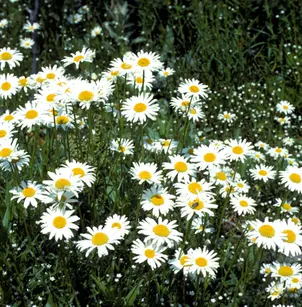
Invasive in the US, and recorded in 37 of Washington’s 39 counties. Washington lists Oxeye Daisy under “Class C.”
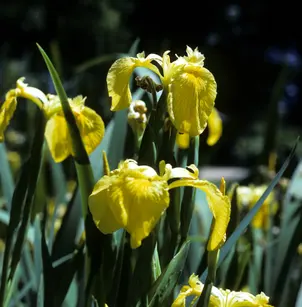
Invasive in the US, and recorded in 24 of Washington’s 39 counties. Washington lists Paleyellow Iris under “Class C.”
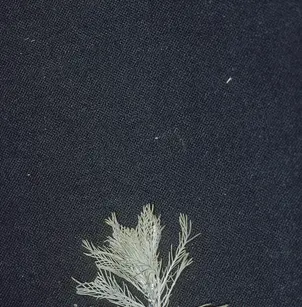
Invasive in the US, and recorded in 17 of Washington’s 39 counties. Washington lists Parrot Feather Watermilfoil under “Class B.”
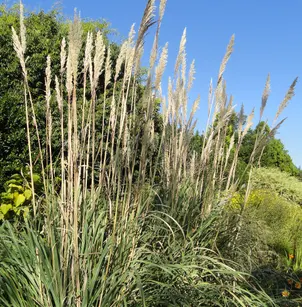
Recorded in no Washington county. Washington lists Plume Grass under “Class B.”
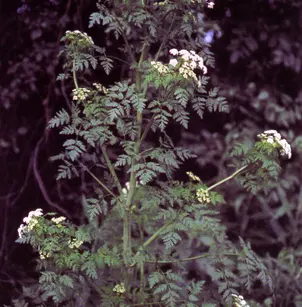
Invasive in the US, and recorded in 35 of Washington’s 39 counties. Washington lists Poison Hemlock under “Class B.”
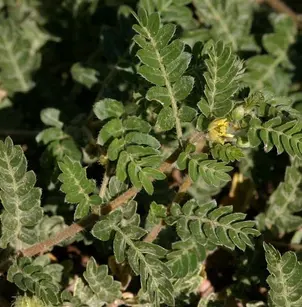
Invasive in the US, and recorded in 19 of Washington’s 39 counties. Washington lists Puncturevine under “Class B.”
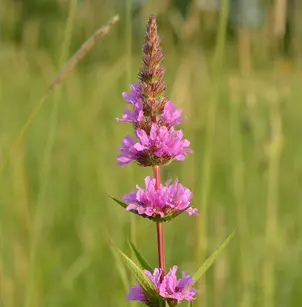
Invasive in the US, and recorded in 35 of Washington’s 39 counties. Washington lists Purple Loosestrife under “Class B.”
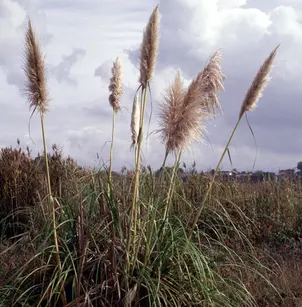
Invasive in the US, and recorded in 2 of Washington’s 39 counties. Washington lists Purple Pampas Grass under “Class C.”
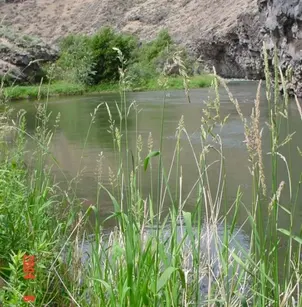
Recorded in 36 of Washington’s 39 counties. Washington lists Reed Canarygrass under “Class C.”
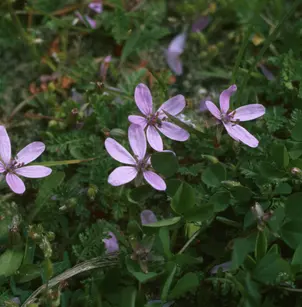
Recorded in 16 of Washington’s 39 counties. Washington lists Robert Geranium under “Class B.”
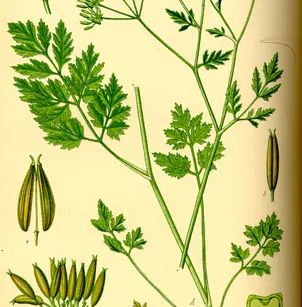
Recorded in no Washington county. Washington lists Rough Chervil under “Class B.”
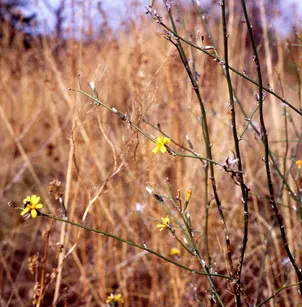
Invasive in the US, and recorded in 24 of Washington’s 39 counties. Washington lists Rush Skeletonweed under “Class B.”
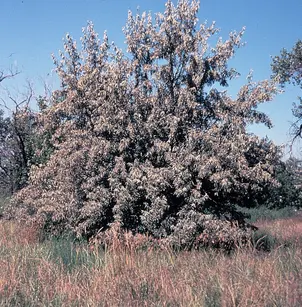
Invasive in the US, and recorded in 8 of Washington’s 39 counties. Washington lists Russian Olive under “Class C.”
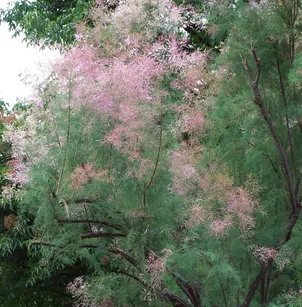
Invasive in the US, and recorded in no Washington county. Washington lists Saltcedar under “Class B.”
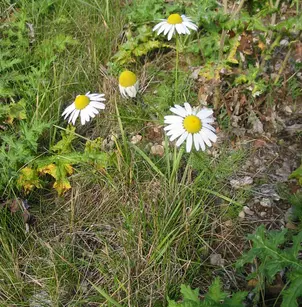
Invasive in the US, and recorded in 19 of Washington’s 39 counties. Washington lists Scentless False Mayweed under “Class C.”
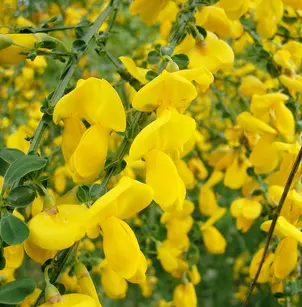
Invasive in the US, and recorded in 29 of Washington’s 39 counties. Washington lists Scotch Broom under “Class B.”
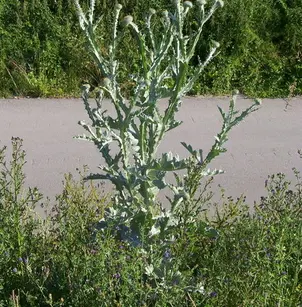
Invasive in the US, and recorded in 26 of Washington’s 39 counties. Washington lists Scotch Cottonthistle under “Class B.”
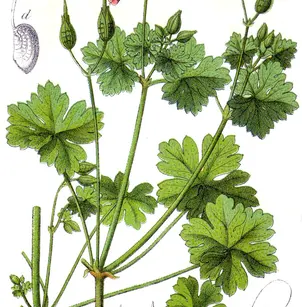
Recorded in 2 of Washington’s 39 counties. Washington lists Shining Geranium under “Class B.”
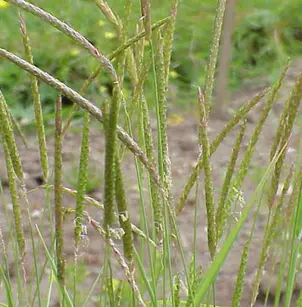
Invasive in the US, and recorded in 4 of Washington’s 39 counties. Washington lists Slender Meadow Foxtail under “Class C.”
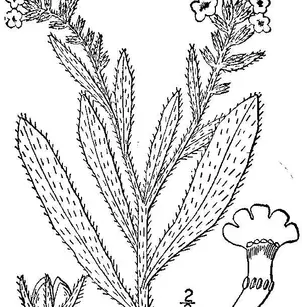
Recorded in 10 of Washington’s 39 counties. Washington lists Small Bugloss under “Class B.”
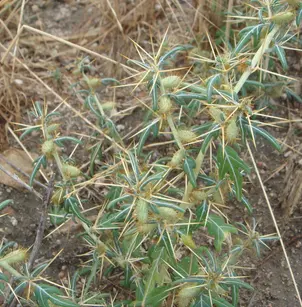
Invasive in the US, and recorded in 16 of Washington’s 39 counties. Washington lists Spiny Cocklebur under “Class C.”
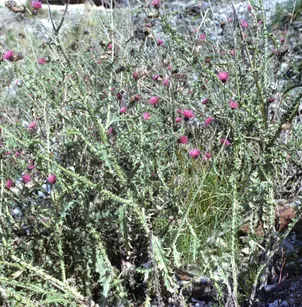
Invasive in the US, and recorded in 7 of Washington’s 39 counties. Washington lists Spiny Plumeless Thistle under “Class B.”
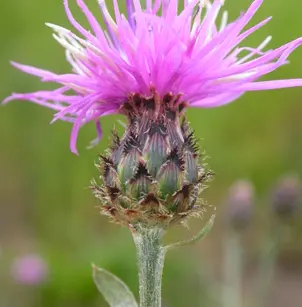
Invasive in the US, and recorded in 37 of Washington’s 39 counties. Washington lists Spotted Knapweed under “Class B.”
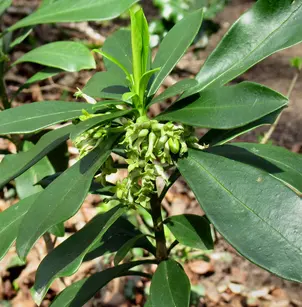
Recorded in 8 of Washington’s 39 counties. Washington lists Spurgelaurel under “Class B.”
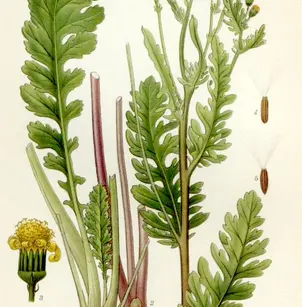
Invasive in the US, and recorded in 27 of Washington’s 39 counties. Washington lists Stinking Willie under “Class B.”
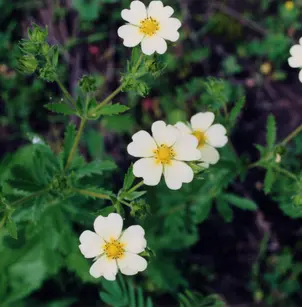
Invasive in the US, and recorded in 28 of Washington’s 39 counties. Washington lists Sulphur Cinquefoil under “Class B.”
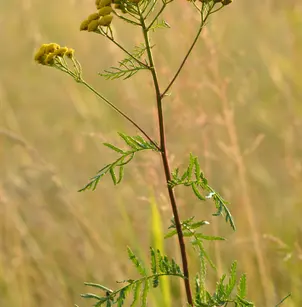
Invasive in the US, and recorded in 35 of Washington’s 39 counties. Washington lists Tansy under “Class B.”
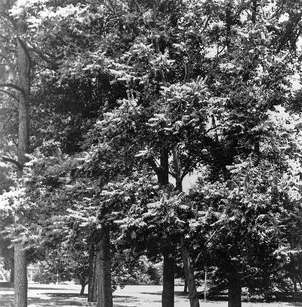
Invasive in the US, and recorded in 7 of Washington’s 39 counties. Washington lists Tree of Heaven under “Class C.”
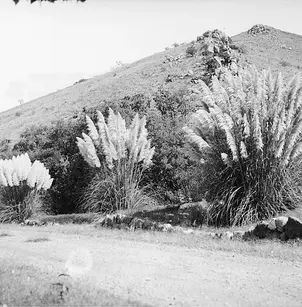
Invasive in the US, and recorded in 2 of Washington’s 39 counties. Washington lists Uruguayan Pampas Grass under “Class C.”
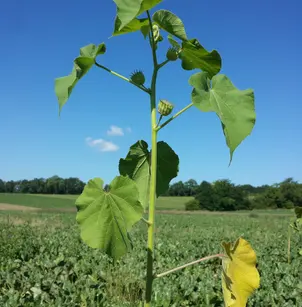
Invasive in the US, and recorded in 21 of Washington’s 39 counties. Washington lists Velvetleaf under “Class B.”
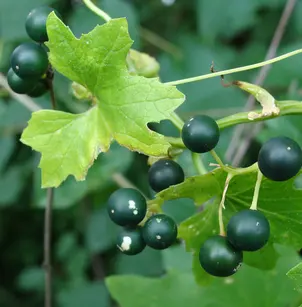
Invasive in the US, and recorded in 6 of Washington’s 39 counties. Washington lists White Bryony under “Class B.”
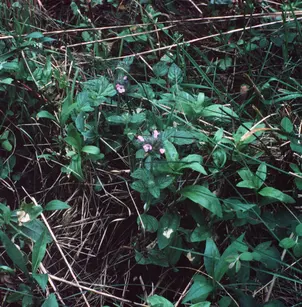
Recorded in 2 of Washington’s 39 counties. Washington lists Wild Basil under “Class B.”
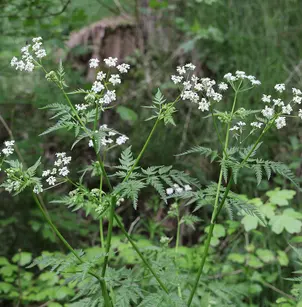
Invasive in the US, and recorded in 15 of Washington’s 39 counties. Washington lists Wild Chervil under “Class B.”
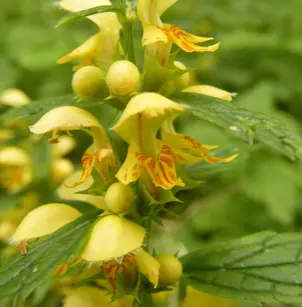
Invasive in the US, and recorded in no Washington county. Washington lists Yellow Archangel under “Class B.”
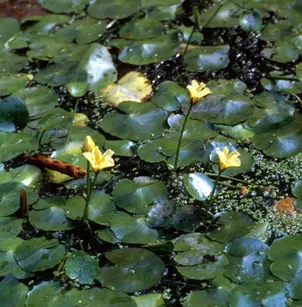
Invasive in the US, and recorded in 3 of Washington’s 39 counties. Washington lists Yellow Floatingheart under “Class B.”
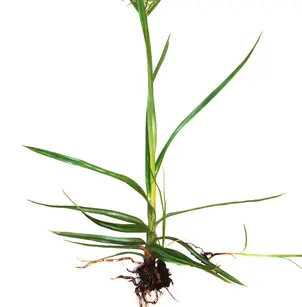
Recorded in 19 of Washington’s 39 counties. Washington lists Yellow Nutsedge under “Class B.”
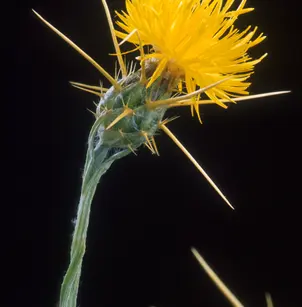
Invasive in the US, and recorded in 23 of Washington’s 39 counties. Washington lists Yellow Star-Thistle under “Class B.”
No plant on Washington’s list matches that.
22 of these plants are native to part of the United States, marked US native above. Nativity is regional. Black locust is native to the Appalachians and regulated in New England; Palmer amaranth is native to the Southwest and listed as an agricultural weed in the Corn Belt. A listing tells you what Washington regulates, not where a plant belongs. The county checker answers the second question.
Want to check a plant by photo or county?
Use our “Is it native” tool for free.Compiled from the rule itself, retrieved July 20, 2026. Law changes; if you spot a listing we have wrong or stale, tell us at support@getezina.com.
| Plant | Scientific name | Status | Plant instead |
|---|---|---|---|
| American Spongeplant US native | Limnobium spongia | ProhibitedWashington says “Class A” | — |
| Bighead Knapweed | Centaurea macrocephala | ProhibitedInvasiveWashington says “Class A” | — |
| Blessed Milkthistle | Silybum marianum | ProhibitedInvasiveWashington says “Class A” | — |
| Bog Bulrush | Schoenoplectiella mucronata | ProhibitedInvasiveWashington says “Class A” | — |
| Carelessweed US native | Amaranthus palmeri | ProhibitedWashington says “Class A” | — |
| Clary Sage | Salvia sclarea | ProhibitedWashington says “Class A” | — |
| Common Cordgrass | Spartina anglica | ProhibitedWashington says “Class A” | — |
| Common Crupina | Crupina vulgaris | ProhibitedInvasiveWashington says “Class A” | — |
| Delta Arrowhead US native | Sagittaria platyphylla | ProhibitedWashington says “Class A” | — |
| Denseflower Cordgrass | Spartina densiflora | ProhibitedWashington says “Class A” | — |
| Dyer's Woad | Isatis tinctoria | ProhibitedInvasiveWashington says “Class A” | — |
| Eggleaf Spurge | Euphorbia oblongata | ProhibitedWashington says “Class A” | — |
| Floating Primrose-Willow | Ludwigia peploides | ProhibitedWashington says “Class A” | — |
| Flowering Rush | Butomus umbellatus | ProhibitedInvasiveWashington says “Class A” | — |
| French Broom | Genista monspessulana | ProhibitedInvasiveWashington says “Class A” | — |
| Garlic Mustard | Alliaria petiolata | ProhibitedInvasiveWashington says “Class A” | — |
| Giant Hogweed | Heracleum mantegazzianum | ProhibitedInvasiveWashington says “Class A” | — |
| Heartleaf Four O'clock US native | Mirabilis nyctaginea | ProhibitedWashington says “Class A” | — |
| Introduced Sage | Salvia pratensis | ProhibitedWashington says “Class A” | — |
| Italian Plumeless Thistle | Carduus pycnocephalus | ProhibitedInvasiveWashington says “Class A” | — |
| Johnsongrass | Sorghum halepense | ProhibitedInvasiveWashington says “Class A” | — |
| Kudzu | Pueraria montana | ProhibitedInvasiveWashington says “Class A” | Whitebark Raspberry, American Vetch, Vine Maple |
| Marsh Thistle | Cirsium palustre | ProhibitedInvasiveWashington says “Class A” | — |
| Mediterranean Sage | Salvia aethiopis | ProhibitedInvasiveWashington says “Class A” | — |
| Oriental Bittersweet | Celastrus orbiculatus | ProhibitedInvasiveWashington says “Class A” | Salmonberry, Whitebark Raspberry, Silky Beach Pea |
| Oriental Virginsbower | Clematis orientalis | ProhibitedWashington says “Class A” | — |
| Professor-Weed | Galega officinalis | ProhibitedInvasiveWashington says “Class A” | — |
| Red Star-Thistle | Centaurea calcitrapa | ProhibitedInvasiveWashington says “Class A” | — |
| Roughfruit Amaranth US native | Amaranthus tuberculatus | ProhibitedWashington says “Class A” | — |
| Saltmeadow Cordgrass US native | Spartina patens | ProhibitedWashington says “Class A” | — |
| Silverleaf Nightshade US native | Solanum elaeagnifolium | ProhibitedWashington says “Class A” | — |
| Slender False Brome | Brachypodium sylvaticum | ProhibitedInvasiveWashington says “Class A” | — |
| Smallflower Touchmenot | Impatiens parviflora | ProhibitedInvasiveWashington says “Class A” | — |
| Smooth Cordgrass US native | Spartina alterniflora | ProhibitedWashington says “Class A” | — |
| Spanish Broom | Spartium junceum | ProhibitedInvasiveWashington says “Class A” | — |
| Syrian Beancaper | Zygophyllum fabago | ProhibitedInvasiveWashington says “Class A” | — |
| Texas Blueweed US native | Helianthus ciliaris | ProhibitedWashington says “Class A” | — |
| Twoleaf Watermilfoil US native | Myriophyllum heterophyllum | ProhibitedWashington says “Class A” | — |
| Tyrol Knapweed | Centaurea nigrescens | ProhibitedWashington says “Class A” | — |
| Variegated Water Grass | Glyceria maxima 'Variegata' | ProhibitedInvasiveWashington says “Class A” | Rattlesnake Mannagrass, Small Floating Mannagrass, American Mannagrass |
| Waterthyme | Hydrilla verticillata | ProhibitedInvasiveWashington says “Class A” | — |
| West Indian Spongeplant | Limnobium laevigatum | ProhibitedWashington says “Class A” | — |
| Western Watermilfoil US native | Myriophyllum hippuroides | ProhibitedWashington says “Class A” | — |
| Winged Plumeless Thistle | Carduus tenuiflorus | ProhibitedWashington says “Class A” | — |
| Absinthium | Artemisia absinthium | ListedInvasiveWashington says “Class C” | — |
| Alfalfa Dodder | Cuscuta approximata | ListedWashington says “Class C” | — |
| Alkali Swainsonpea | Sphaerophysa salsula | ListedWashington says “Class C” | — |
| American White Waterlily US native | Nymphaea odorata | ListedWashington says “Class C” | — |
| Atlantic Ivy | Hedera hibernica | ListedInvasiveWashington says “Class C” | — |
| Austrian Yellowcress | Rorippa austriaca | ListedInvasiveWashington says “Class C” | — |
| Baby's Breath | Gypsophila paniculata | ListedInvasiveWashington says “Class C” | — |
| Black Henbane | Hyoscyamus niger | ListedInvasiveWashington says “Class C” | — |
| Black Locust US native | Robinia pseudoacacia | ListedWashington says “Class C” | — |
| Bladder Campion | Silene latifolia | ListedInvasiveWashington says “Class C” | — |
| Bohemian Knotweed | Polygonum x bohemicum | ListedWashington says “Class B” | — |
| Brazilian Waterweed | Egeria densa | ListedInvasiveWashington says “Class B” | — |
| Broadleaved Pepperweed | Lepidium latifolium | ListedInvasiveWashington says “Class B” | — |
| Bronze Fennel | Foeniculum vulgare 'Purpureum' | ListedInvasiveWashington says “Class B” | — |
| Brownray Knapweed | Centaurea jacea | ListedInvasiveWashington says “Class B” | — |
| Buffalobur Nightshade US native | Solanum rostratum | ListedWashington says “Class C” | — |
| Bull Thistle | Cirsium vulgare | ListedInvasiveWashington says “Class C” | — |
| Burningbush | Bassia scoparia | ListedInvasiveWashington says “Class B” | — |
| Butter and Eggs | Linaria vulgaris | ListedInvasiveWashington says “Class C” | — |
| Butterfly Bush | Buddleja davidii | ListedInvasiveWashington says “Class B” | — |
| Camelthorn | Alhagi maurorum | ListedInvasiveWashington says “Class B” | — |
| Canada Thistle | Cirsium arvense | ListedInvasiveWashington says “Class C” | — |
| Carolina Fanwort US native | Cabomba caroliniana | ListedWashington says “Class B” | — |
| Carrot | Daucus carota | ListedInvasiveWashington says “Class C” | — |
| Cereal Rye | Secale cereale | ListedInvasiveWashington says “Class C” | — |
| Codlins and Cream | Epilobium hirsutum | ListedInvasiveWashington says “Class B” | — |
| Coltsfoot | Tussilago farfara | ListedInvasiveWashington says “Class B” | Fiddleleaf Hawksbeard, White Marsh Marigold, Marsh Marigold |
| Common Barberry | Berberis vulgaris | ListedInvasiveWashington says “Class C” | Oregon Grape, Wax Currant, Ninebark |
| Common Bugloss | Anchusa officinalis | ListedWashington says “Class B” | — |
| Common Gorse | Ulex europaeus | ListedInvasiveWashington says “Class B” | — |
| Common Reed | Phragmites australis | ListedWashington says “Class B” | — |
| Common St. Johnswort | Hypericum perforatum | ListedInvasiveWashington says “Class C” | — |
| Common Tarweed US native | Centromadia pungens | ListedWashington says “Class C” | — |
| Common Viper's Bugloss | Echium vulgare | ListedInvasiveWashington says “Class B” | — |
| Creeping Spurge | Euphorbia myrsinites | ListedWashington says “Class B” | — |
| Cultivated Knotweed | Polygonum polystachyum | ListedInvasiveWashington says “Class B” | — |
| Curly Pondweed | Potamogeton crispus | ListedInvasiveWashington says “Class C” | — |
| Cutleaf Blackberry | Rubus laciniatus | ListedInvasiveWashington says “Class C” | — |
| Dalmatian Toadflax | Linaria dalmatica | ListedInvasiveWashington says “Class B” | — |
| Diffuse Knapweed | Centaurea diffusa | ListedInvasiveWashington says “Class B” | — |
| Dwarf Eelgrass | Nanozostera japonica | ListedWashington says “Class C” | — |
| English Holly | Ilex aquifolium | ListedInvasiveWashington says “Class C” | — |
| English Ivy | Hedera helix | ListedInvasiveWashington says “Class C” | — |
| Eurasian Watermilfoil | Myriophyllum spicatum | ListedInvasiveWashington says “Class B” | — |
| European Beachgrass | Ammophila arenaria | ListedInvasiveWashington says “Class C” | — |
| European Wand Loosestrife | Lythrum virgatum | ListedWashington says “Class B” | Canada Goldenrod, Cutleaf Waterparsnip, Common Cowparsnip |
| Evergreen Bugloss | Pentaglottis sempervirens | ListedInvasiveWashington says “Class C” | — |
| Evergreen Clematis | Clematis vitalba | ListedInvasiveWashington says “Class C” | — |
| False Indigobush US native | Amorpha fruticosa | ListedWashington says “Class B” | — |
| Field Bindweed | Convolvulus arvensis | ListedInvasiveWashington says “Class C” | — |
| Field Burrweed | Soliva sessilis | ListedInvasiveWashington says “Class C” | — |
| Field Sowthistle | Sonchus arvensis | ListedInvasiveWashington says “Class C” | — |
| Fig Buttercup | Ranunculus ficaria | ListedInvasiveWashington says “Class B” | Plantainleaf Buttercup, Alkali Buttercup, Longbeak Buttercup |
| Fuller's Teasel | Dipsacus fullonum | ListedWashington says “Class C” | — |
| Garden Yellow Loosestrife | Lysimachia vulgaris | ListedInvasiveWashington says “Class B” | — |
| Giant Knotweed | Polygonum sachalinense | ListedInvasiveWashington says “Class B” | — |
| Grassy Arrowhead US native | Sagittaria graminea | ListedWashington says “Class B” | — |
| Gypsyflower | Cynoglossum officinale | ListedInvasiveWashington says “Class B” | — |
| Hairy Cat's Ear | Hypochaeris radicata | ListedInvasiveWashington says “Class C” | — |
| Hairy Whitetop | Cardaria pubescens | ListedWashington says “Class C” | — |
| Hanging Sedge | Carex pendula | ListedWashington says “Class B” | — |
| Hawkweed Oxtongue | Picris hieracioides | ListedWashington says “Class B” | — |
| Himalayan Berry | Rubus bifrons | ListedInvasiveWashington says “Class C” | — |
| Hoary Alyssum | Berteroa incana | ListedInvasiveWashington says “Class B” | — |
| Italian Arum | Arum italicum | ListedWashington says “Class C” | — |
| Japanese Knotweed | Fallopia japonica (potentially invasive weed) | ListedInvasiveWashington says “Class B” | — |
| Jewelweed US native | Impatiens capensis | ListedWashington says “Class C” | — |
| Jointed Goatgrass | Aegilops cylindrica | ListedInvasiveWashington says “Class C” | — |
| Knapweed | Centaurea x pouzinii | ListedWashington says “Class B” | — |
| Large-Flower Primrose-Willow | Ludwigia grandiflora subsp. hexapetala | ListedWashington says “Class B” | — |
| Leafy Spurge | Euphorbia esula | ListedInvasiveWashington says “Class B” | — |
| Lenspod Whitetop | Cardaria chalepensis | ListedWashington says “Class C” | — |
| Lesser Knapweed | Centaurea nigra | ListedInvasiveWashington says “Class B” | — |
| Maltese Star-Thistle | Centaurea melitensis | ListedInvasiveWashington says “Class B” | — |
| Mat Sandbur US native | Cenchrus longispinus | ListedWashington says “Class C” | — |
| Medusahead | Taeniatherum caput-medusae | ListedInvasiveWashington says “Class C” | — |
| Mezereon | Thymelaea passerina | ListedWashington says “Class B” | — |
| Narrowleaf Cattail | Typha angustifolia | ListedInvasiveWashington says “Class C” | — |
| Nodding Plumeless Thistle | Carduus nutans | ListedInvasiveWashington says “Class B” | — |
| North Africa Grass | Ventenata dubia | ListedInvasiveWashington says “Class C” | — |
| Norway Maple | Acer platanoides | ListedInvasiveWashington says “Class C” | Big Leaf Maple, Box Elder, Mountain Maple |
| Old-Man-In-The-Spring | Senecio vulgaris | ListedInvasiveWashington says “Class C” | — |
| Oneseed Hawthorn | Crataegus monogyna | ListedInvasiveWashington says “Class C” | — |
| Orange Hawkweed | Hieracium aurantiacum | ListedInvasiveWashington says “Class B” | — |
| Ornamental Jewelweed | Impatiens glandulifera | ListedInvasiveWashington says “Class B” | — |
| Oxeye Daisy | Leucanthemum vulgare | ListedInvasiveWashington says “Class C” | — |
| Paleyellow Iris | Iris pseudacorus | ListedInvasiveWashington says “Class C” | Rocky Mountain Pond-Lily, Western Water Hemlock, Broadleaf Arrowhead |
| Parrot Feather Watermilfoil | Myriophyllum aquaticum | ListedInvasiveWashington says “Class B” | — |
| Plume Grass | Saccharum ravennae (Erianthus ravennae) | ListedWashington says “Class B” | — |
| Poison Hemlock | Conium maculatum | ListedInvasiveWashington says “Class B” | — |
| Puncturevine | Tribulus terrestris | ListedInvasiveWashington says “Class B” | — |
| Purple Loosestrife | Lythrum salicaria | ListedInvasiveWashington says “Class B” | Canada Goldenrod, Cutleaf Waterparsnip, Common Cowparsnip |
| Purple Pampas Grass | Cortaderia jubata | ListedInvasiveWashington says “Class C” | — |
| Reed Canarygrass US native | Phalaris arundinacea | ListedWashington says “Class C” | Common Rush, Drooping Woodreed, Woolgrass |
| Robert Geranium | Geranium robertianum | ListedWashington says “Class B” | — |
| Rough Chervil | Chaerophyllum temulum | ListedWashington says “Class B” | — |
| Rush Skeletonweed | Chondrilla juncea | ListedInvasiveWashington says “Class B” | — |
| Russian Olive | Elaeagnus angustifolia | ListedInvasiveWashington says “Class C” | Basin Big Sagebrush, Western Hackberry, Smooth Sumac |
| Saltcedar | Tamarix ramosissima | ListedInvasiveWashington says “Class B” | — |
| Scentless False Mayweed | Tripleurospermum perforatum | ListedInvasiveWashington says “Class C” | — |
| Scotch Broom | Cytisus scoparius | ListedInvasiveWashington says “Class B” | Mallow Ninebark, Sticky Currant, Coastal Bush Lupine |
| Scotch Cottonthistle | Onopordum acanthium | ListedInvasiveWashington says “Class B” | — |
| Shining Geranium | Geranium lucidum | ListedWashington says “Class B” | — |
| Slender Meadow Foxtail | Alopecurus myosuroides | ListedInvasiveWashington says “Class C” | — |
| Small Bugloss | Anchusa arvensis | ListedWashington says “Class B” | — |
| Spiny Cocklebur | Xanthium spinosum | ListedInvasiveWashington says “Class C” | — |
| Spiny Plumeless Thistle | Carduus acanthoides | ListedInvasiveWashington says “Class B” | — |
| Spotted Knapweed | Centaurea stoebe | ListedInvasiveWashington says “Class B” | — |
| Spurgelaurel | Daphne laureola | ListedWashington says “Class B” | — |
| Stinking Willie | Senecio jacobaea | ListedInvasiveWashington says “Class B” | — |
| Sulphur Cinquefoil | Potentilla recta | ListedInvasiveWashington says “Class B” | — |
| Tansy | Tanacetum vulgare | ListedInvasiveWashington says “Class B” | — |
| Tree of Heaven | Ailanthus altissima | ListedInvasiveWashington says “Class C” | Osage-Orange, Quaking Aspen, Oregon White Oak |
| Uruguayan Pampas Grass | Cortaderia selloana | ListedInvasiveWashington says “Class C” | — |
| Velvetleaf | Abutilon theophrasti | ListedInvasiveWashington says “Class B” | — |
| White Bryony | Bryonia alba | ListedInvasiveWashington says “Class B” | — |
| Wild Basil US native | Clinopodium vulgare | ListedWashington says “Class B” | — |
| Wild Chervil | Anthriscus sylvestris | ListedInvasiveWashington says “Class B” | — |
| Yellow Archangel | Lamiastrum galeobdolon | ListedInvasiveWashington says “Class B” | — |
| Yellow Floatingheart | Nymphoides peltata | ListedInvasiveWashington says “Class B” | — |
| Yellow Nutsedge | Cyperus esculentus | ListedWashington says “Class B” | — |
| Yellow Star-Thistle | Centaurea solstitialis | ListedInvasiveWashington says “Class B” | — |
Where this comes from
Plants that two or more states bordering Washington regulate, and Washington does not. A listing is a legal act rather than an ecological one, so a plant can be a documented problem here and still be sold here.
Not under that name. Washington's legal list is a noxious-weed list: 166 plants named under WAC 16-750, an agricultural noxious-weed law, which governs control and spread on farmland and rights of way rather than what a nursery may sell. GRIIS, the Global Register of Introduced and Invasive Species, flags 110 of these 166 as invasive in the lower 48 states. That is an ecological finding, not a ruling by Washington. This page shows both side by side.
Washington's list is an agricultural noxious-weed law, which governs control and spread on farmland and rights of way rather than what a nursery may sell. 166 plants are named under WAC 16-750. A noxious-weed listing does not automatically ban nursery sale, so check the rule itself before assuming a plant cannot be bought or sold.
Search the table on this page for Washington's legal determination, then look for the Invasive chip beside it, which is a separate ecological finding from GRIIS rather than a ruling by Washington. A plant can carry one, both, or neither. For an address-level answer, enter the plant's name in Ezina's checker to get its Washington status alongside whether USDA records it as native to your specific county. Every answer links the record it came from.
Not necessarily, and the distinction matters. Washington's list is an agricultural noxious-weed law: it obliges landowners to control these plants and restricts moving them, rather than making the act of planting one an offence in itself. WAC 16-750 is the text that says what is actually required of you, and it is linked beside every plant here.
No. This page reproduces what Washington regulates, and a state list is a legal instrument rather than an ecological verdict. Plenty of plants spread aggressively without ever being listed, and states add species years after the problem is documented.
Grow natives easily with Ezina
We provide the tools you need to succeed.

Snap a photo or type the name. Ezina matches it to a library of about 40,000 species and starts a care plan tailored to your zone, the local weather, and the time of year.

A schedule built from local rain, temperature, and sun, not a fixed weekly cadence. You get a single notification when a plant actually needs water. Easily add treatments for diseases and pests.

Our garden planner Dig helps you understand what works best for your location and makes suggestions based off your long term goals.
Snap a photo or type the name. Ezina matches it to a library of about 40,000 species and starts a care plan tailored to your zone, the local weather, and the time of year.
A schedule built from local rain, temperature, and sun, not a fixed weekly cadence. You get a single notification when a plant actually needs water. Easily add treatments for diseases and pests.
Our garden planner Dig helps you understand what works best for your location and makes suggestions based off your long term goals.
Compiled from peer-reviewed research, USDA documentation,
and direct scientific observation across the United States.
Thank you for signing up!
Confirmation is heading to your inbox now. If you don’t receive it in the next 15 minutes contact us at support@getezina.com

