Amur Corktree – Phellodendron amurense IntroducedInvasive
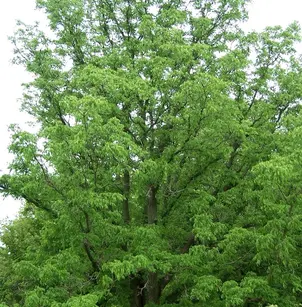
Invasive in the US, and recorded in 8 of New York’s 62 counties. New York lists Amur Corktree under “prohibited.”

New York (NY) regulates 65 invasive plants under 6 NYCRR 575.3 (prohibited) / 575.4 (regulated). New York's list is a trade restriction, which governs what may be sold, propagated, or moved within the state — in plain terms, which plants are illegal to sell here.
New York restricts 65 plants, including Purple Loosestrife, Leafy Spurge and Waterthyme. Plants marked Prohibited may not be sold, propagated, or moved within New York. 53 of the 65 are also flagged invasive by GRIIS, which is an ecological finding rather than a ruling by New York. Checked against 6 NYCRR 575.3 (prohibited) / 575.4 (regulated) on July 20, 2026.
Invasive in the US, and recorded in 8 of New York’s 62 counties. New York lists Amur Corktree under “prohibited.”
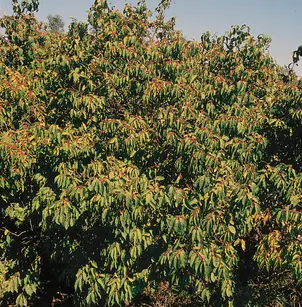
Invasive in the US, and recorded in 10 of New York’s 62 counties. New York lists Amur Honeysuckle under “prohibited.”
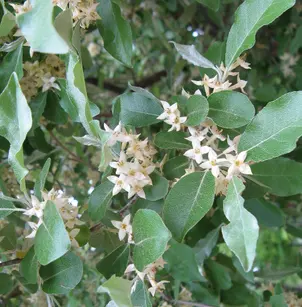
Invasive in the US, and recorded in 15 of New York’s 62 counties. New York lists Autumn Olive under “prohibited.”
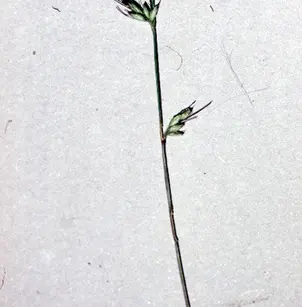
Recorded in no New York county. New York lists Basketgrass under “prohibited.”
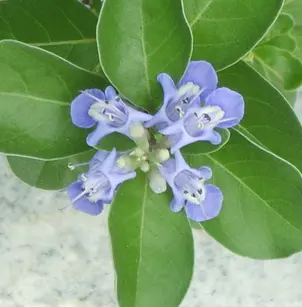
Recorded in no New York county. New York lists Beach Vitex under “prohibited.”
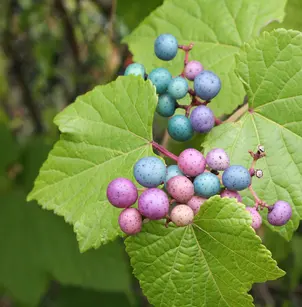
Recorded in 11 of New York’s 62 counties. New York lists Blueberry Creeper under “prohibited.”
Recorded in no New York county. New York lists Bohemian Knotweed under “prohibited.”
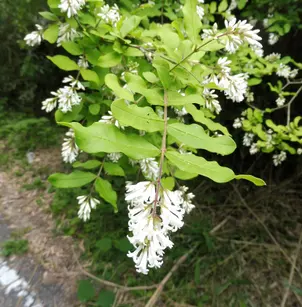
Invasive in the US, and recorded in 15 of New York’s 62 counties. New York lists Border Privet under “prohibited.”
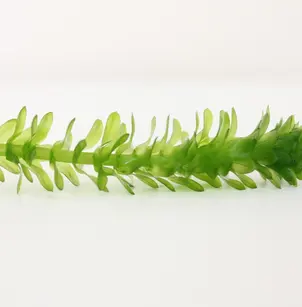
Invasive in the US, and recorded in 3 of New York’s 62 counties. New York lists Brazilian Waterweed under “prohibited.”
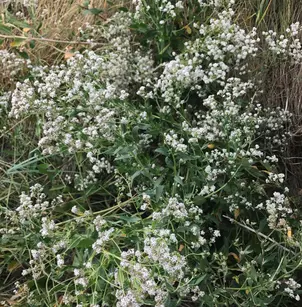
Invasive in the US, and recorded in 3 of New York’s 62 counties. New York lists Broadleaved Pepperweed under “prohibited.”
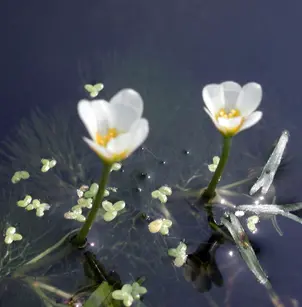
Recorded in 10 of New York’s 62 counties. New York lists Carolina Fanwort under “prohibited.”
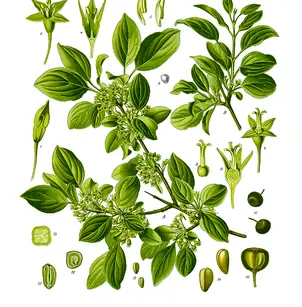
Invasive in the US, and recorded in 33 of New York’s 62 counties. New York lists Common Buckthorn under “prohibited.”
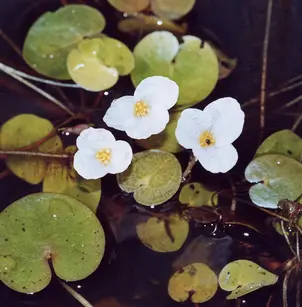
Invasive in the US, and recorded in 4 of New York’s 62 counties. New York lists Common Frogbit under “prohibited.”
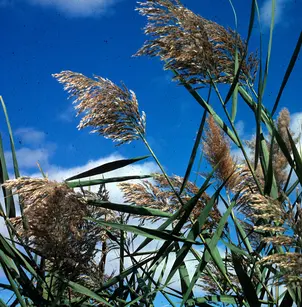
Recorded in 53 of New York’s 62 counties. New York lists Common Reed under “prohibited.”
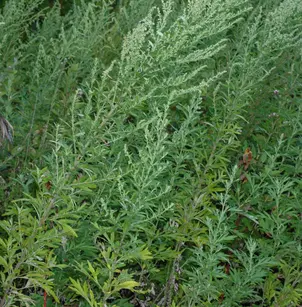
Invasive in the US, and recorded in 11 of New York’s 62 counties. New York lists Common Wormwood under “prohibited.”
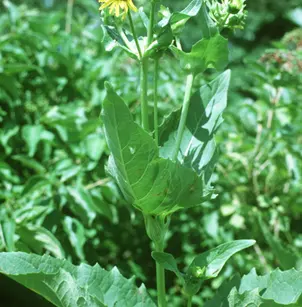
Recorded in 8 of New York’s 62 counties. New York lists Cup Plant under “prohibited.”
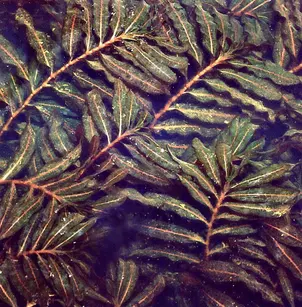
Invasive in the US, and recorded in 46 of New York’s 62 counties. New York lists Curly Pondweed under “prohibited.”
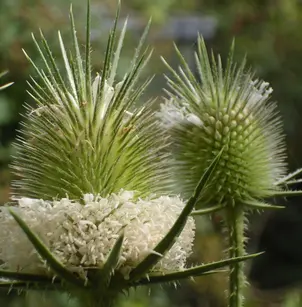
Invasive in the US, and recorded in 10 of New York’s 62 counties. New York lists Cutleaf Teasel under “prohibited.”
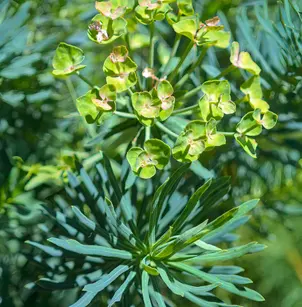
Invasive in the US, and recorded in 36 of New York’s 62 counties. New York lists Cypress Spurge under “prohibited.”
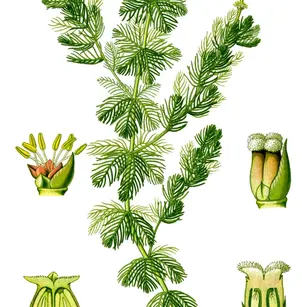
Invasive in the US, and recorded in 11 of New York’s 62 counties. New York lists Eurasian Watermilfoil under “prohibited.”
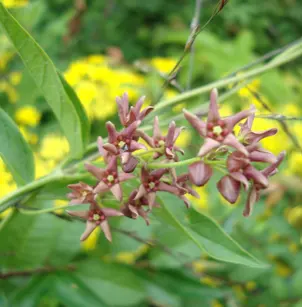
Invasive in the US, and recorded in 4 of New York’s 62 counties. New York lists European Swallow-Wort under “prohibited.”
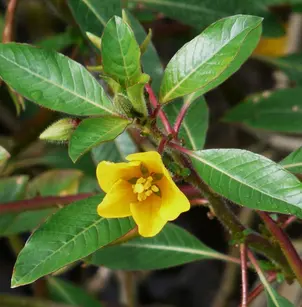
Recorded in 3 of New York’s 62 counties. New York lists Floating Primrose-Willow under “prohibited.”
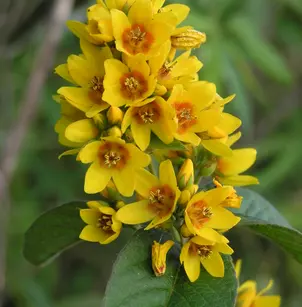
Invasive in the US, and recorded in 14 of New York’s 62 counties. New York lists Garden Yellow Loosestrife under “prohibited.”
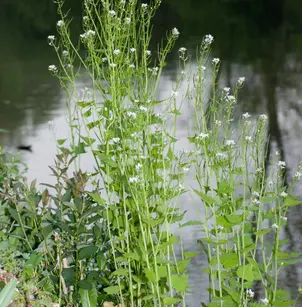
Invasive in the US, and recorded in 28 of New York’s 62 counties. New York lists Garlic Mustard under “prohibited.”
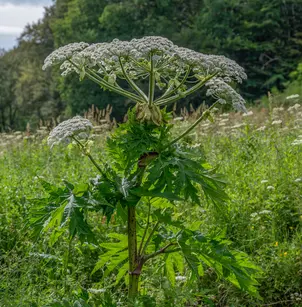
Invasive in the US, and recorded in 15 of New York’s 62 counties. New York lists Giant Hogweed under “prohibited.”
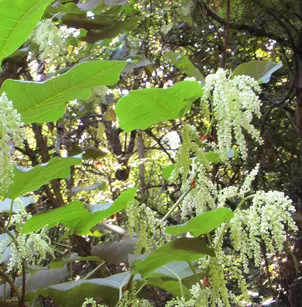
Invasive in the US, and recorded in 13 of New York’s 62 counties. New York lists Giant Knotweed under “prohibited.”
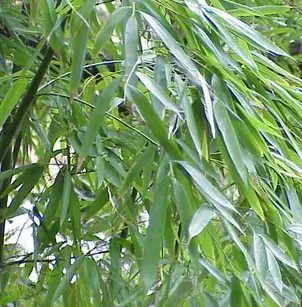
Recorded in no New York county. New York lists Golden Bamboo under “prohibited.”
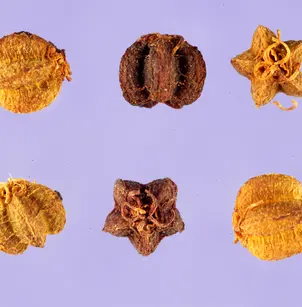
Invasive in the US, and recorded in 11 of New York’s 62 counties. New York lists Japanese Angelica Tree under “prohibited.”
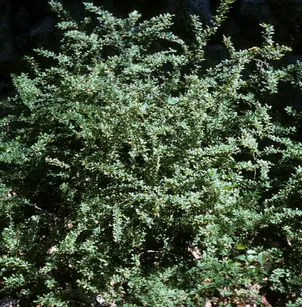
Invasive in the US, and recorded in 27 of New York’s 62 counties. New York lists Japanese Barberry under “prohibited.”
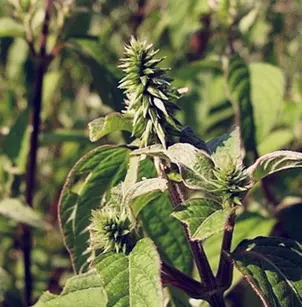
Invasive in the US, and recorded in no New York county. New York lists Japanese Chaff Flower under “prohibited.”
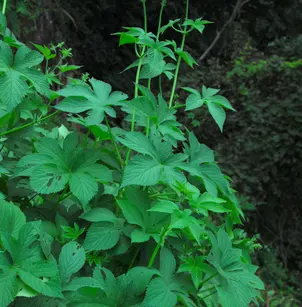
Invasive in the US, and recorded in 25 of New York’s 62 counties. New York lists Japanese Hop under “prohibited.”
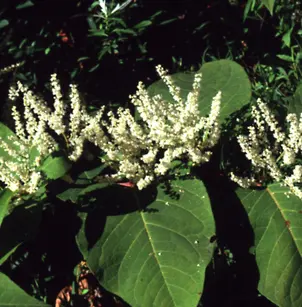
Invasive in the US, and recorded in 32 of New York’s 62 counties. New York lists Japanese Knotweed under “prohibited.”
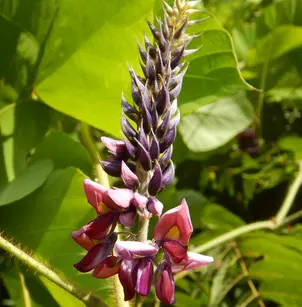
Invasive in the US, and recorded in 9 of New York’s 62 counties. New York lists Kudzu under “prohibited.”
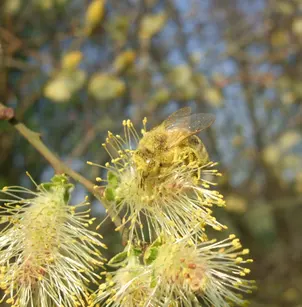
Recorded in 11 of New York’s 62 counties. New York lists Large Gray Willow under “prohibited.”
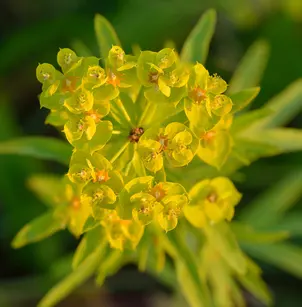
Invasive in the US, and recorded in 27 of New York’s 62 counties. New York lists Leafy Spurge under “prohibited.”
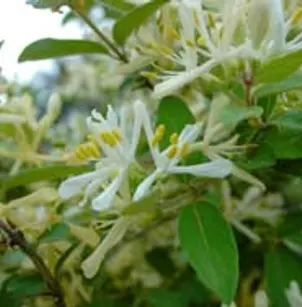
Invasive in the US, and recorded in 24 of New York’s 62 counties. New York lists Morrow's Honeysuckle under “prohibited.”
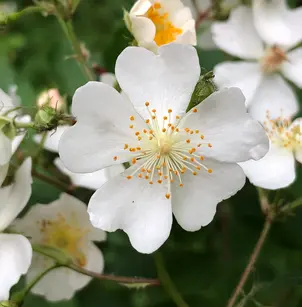
Invasive in the US, and recorded in 18 of New York’s 62 counties. New York lists Multiflora Rose under “prohibited.”
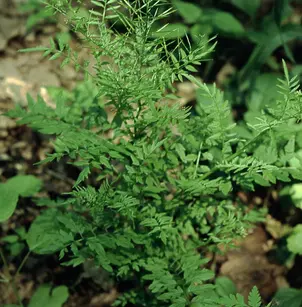
Invasive in the US, and recorded in 6 of New York’s 62 counties. New York lists Narrowleaf Bittercress under “prohibited.”
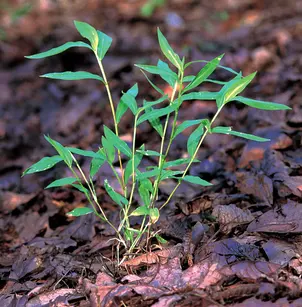
Invasive in the US, and recorded in 10 of New York’s 62 counties. New York lists Nepalese Browntop under “prohibited.”
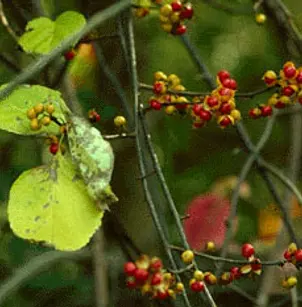
Invasive in the US, and recorded in 19 of New York’s 62 counties. New York lists Oriental Bittersweet under “prohibited.”
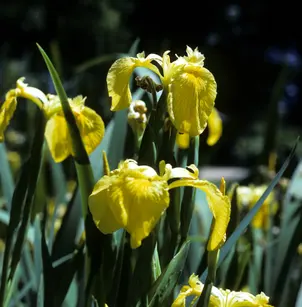
Invasive in the US, and recorded in 28 of New York’s 62 counties. New York lists Paleyellow Iris under “prohibited.”
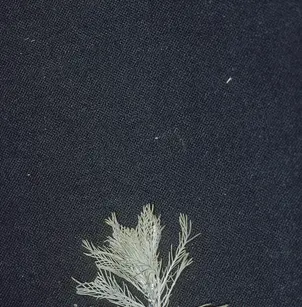
Invasive in the US, and recorded in 2 of New York’s 62 counties. New York lists Parrot Feather Watermilfoil under “prohibited.”
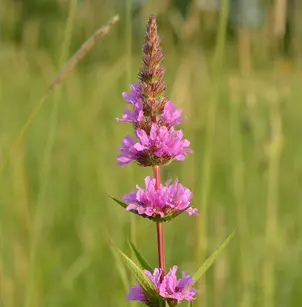
Invasive in the US, and recorded in 36 of New York’s 62 counties. New York lists Purple Loosestrife under “prohibited.”
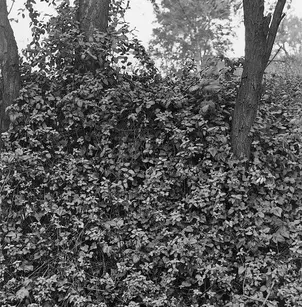
Invasive in the US, and recorded in 15 of New York’s 62 counties. New York lists Purple-Leaf Japanese Honeysuckle under “prohibited.”
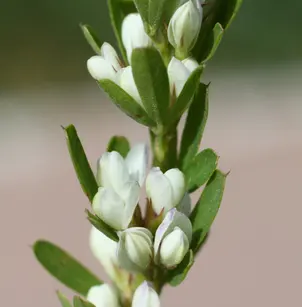
Invasive in the US, and recorded in 5 of New York’s 62 counties. New York lists Sericea Lespedeza under “prohibited.”
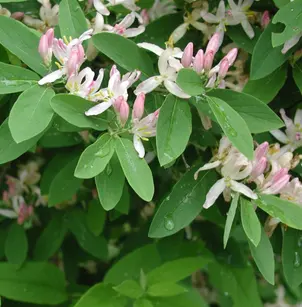
Invasive in the US, and recorded in 12 of New York’s 62 counties. New York lists Showy Fly Honeysuckle under “prohibited.”
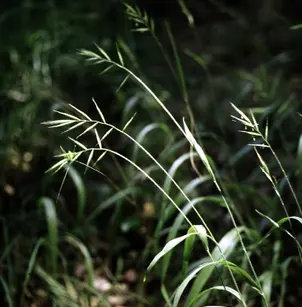
Invasive in the US, and recorded in no New York county. New York lists Slender False Brome under “prohibited.”
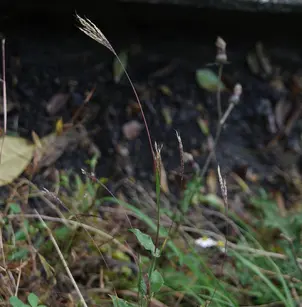
Invasive in the US, and recorded in 2 of New York’s 62 counties. New York lists Small Carpetgrass under “prohibited.”
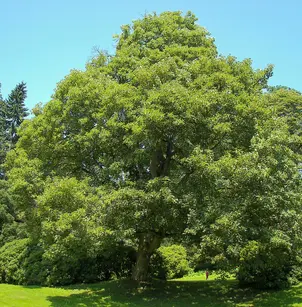
Invasive in the US, and recorded in 16 of New York’s 62 counties. New York lists Sycamore Maple under “prohibited.”
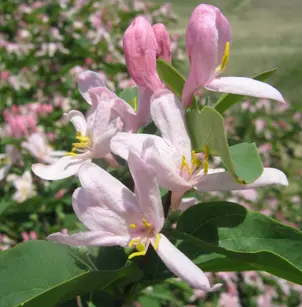
Invasive in the US, and recorded in 28 of New York’s 62 counties. New York lists Tatarian Honeysuckle under “prohibited.”
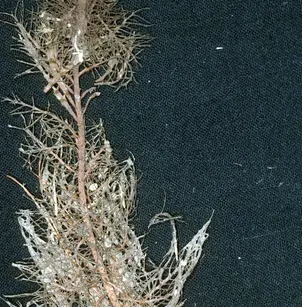
Recorded in 12 of New York’s 62 counties. New York lists Twoleaf Watermilfoil under “prohibited.”
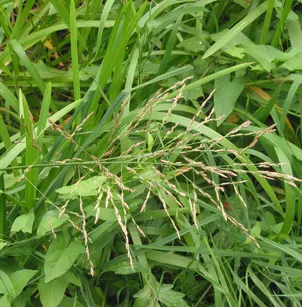
Invasive in the US, and recorded in no New York county. New York lists Variegated Water Grass under “prohibited.”
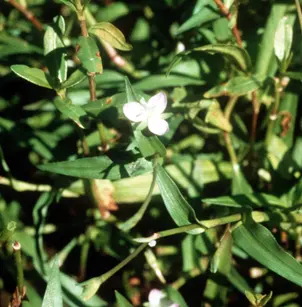
Invasive in the US, and recorded in no New York county. New York lists Wartremoving Herb under “prohibited.”
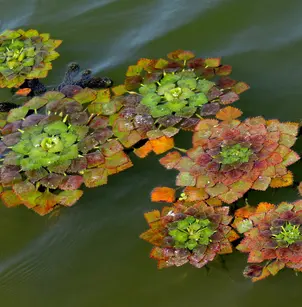
Invasive in the US, and recorded in 12 of New York’s 62 counties. New York lists Water Chestnut under “prohibited.”
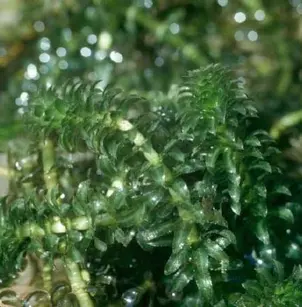
Invasive in the US, and recorded in 2 of New York’s 62 counties. New York lists Waterthyme under “prohibited.”
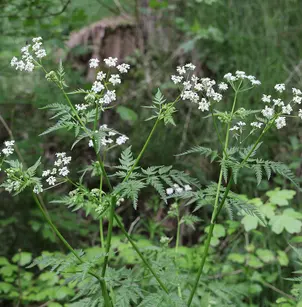
Invasive in the US, and recorded in 12 of New York’s 62 counties. New York lists Wild Chervil under “prohibited.”
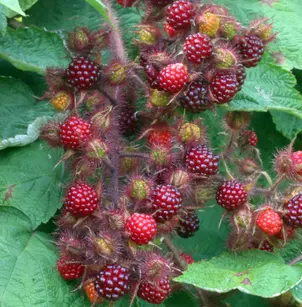
Invasive in the US, and recorded in 16 of New York’s 62 counties. New York lists Wine Raspberry under “prohibited.”
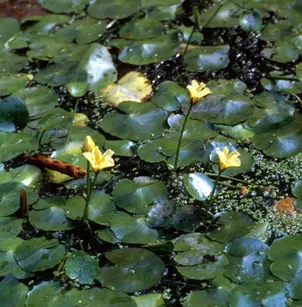
Invasive in the US, and recorded in 8 of New York’s 62 counties. New York lists Yellow Floatingheart under “prohibited.”
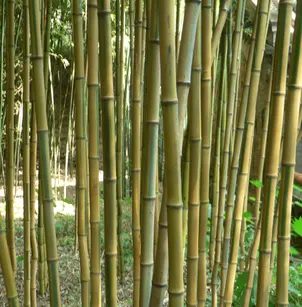
Invasive in the US, and recorded in 1 of New York’s 62 counties. New York lists Yellow Groove Bamboo under “prohibited.”
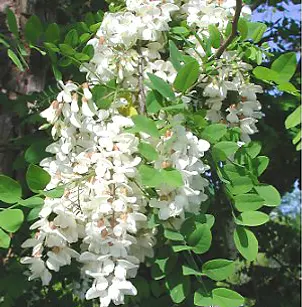
Recorded in 30 of New York’s 62 counties. New York lists Black Locust under “regulated.”
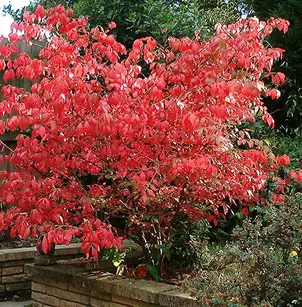
Invasive in the US, and recorded in 12 of New York’s 62 counties. New York lists Burning Bush under “regulated.”
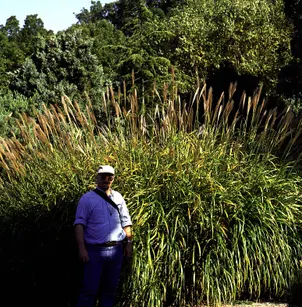
Invasive in the US, and recorded in 7 of New York’s 62 counties. New York lists Maiden Grass under “regulated.”
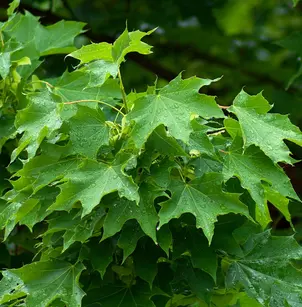
Invasive in the US, and recorded in 24 of New York’s 62 counties. New York lists Norway Maple under “regulated.”
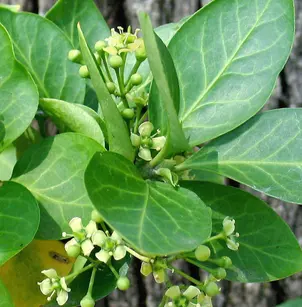
Invasive in the US, and recorded in 8 of New York’s 62 counties. New York lists Purple Winter Creeper under “regulated.”
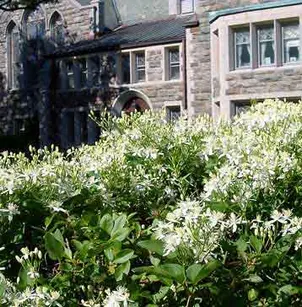
Invasive in the US, and recorded in 11 of New York’s 62 counties. New York lists Sweet Autumn Clematis under “regulated.”
No plant on New York’s list matches that.
4 of these plants are native to part of the United States, marked US native above. Nativity is regional. Black locust is native to the Appalachians and regulated in New England; Palmer amaranth is native to the Southwest and listed as an agricultural weed in the Corn Belt. A listing tells you what New York regulates, not where a plant belongs. The county checker answers the second question.
Want to check a plant by photo or county?
Use our “Is it native” tool for free.Compiled from the rule itself, retrieved July 20, 2026. Law changes; if you spot a listing we have wrong or stale, tell us at support@getezina.com.
| Plant | Scientific name | Status | Plant instead |
|---|---|---|---|
| Amur Corktree | Phellodendron amurense | ProhibitedInvasive | Western Catalpa, Kentucky Coffeetree, Eastern Black Walnut |
| Amur Honeysuckle | Lonicera maackii | ProhibitedInvasive | Rough-Leaf Dogwood, Common Witch Hazel, Smooth Sumac |
| Autumn Olive | Elaeagnus umbellata | ProhibitedInvasive | Silverberry, Smooth Sumac, Northern Bayberry |
| Basketgrass | Oplismenus hirtellus | Prohibited | — |
| Beach Vitex | Vitex rotundifolia | Prohibited | — |
| Blueberry Creeper | Ampelopsis brevipedunculata | Prohibited | Beach Pea, Frost Grape, Trumpet Honeysuckle |
| Bohemian Knotweed | Polygonum x bohemicum | Prohibited | — |
| Border Privet | Ligustrum obtusifolium | ProhibitedInvasive | White Meadowsweet, Sandcherry, American Black Currant |
| Brazilian Waterweed | Egeria densa | ProhibitedInvasive | — |
| Broadleaved Pepperweed | Lepidium latifolium | ProhibitedInvasive | — |
| Carolina Fanwort US native | Cabomba caroliniana | Prohibited | — |
| Common Buckthorn | Rhamnus cathartica | ProhibitedInvasive | Rough-Leaf Dogwood, Common Witch Hazel, Smooth Sumac |
| Common Frogbit | Hydrocharis morsus-ranae | ProhibitedInvasive | — |
| Common Reed | Phragmites australis | Prohibited | — |
| Common Wormwood | Artemisia vulgaris | ProhibitedInvasive | Common Sneeze Weed, Canadian Milkvetch, Purple Coneflower |
| Cup Plant US native | Silphium perfoliatum | Prohibited | — |
| Curly Pondweed | Potamogeton crispus | ProhibitedInvasive | — |
| Cutleaf Teasel | Dipsacus laciniatus | ProhibitedInvasive | — |
| Cypress Spurge | Euphorbia cyparissias | ProhibitedInvasive | Purple Love Grass, Pale Purple Coneflower, Woolly Beachheather |
| Eurasian Watermilfoil | Myriophyllum spicatum | ProhibitedInvasive | — |
| European Swallow-Wort | Cynanchum rossicum | ProhibitedInvasive | — |
| Floating Primrose-Willow | Ludwigia peploides | Prohibited | — |
| Garden Yellow Loosestrife | Lysimachia vulgaris | ProhibitedInvasive | — |
| Garlic Mustard | Alliaria petiolata | ProhibitedInvasive | — |
| Giant Hogweed | Heracleum mantegazzianum | ProhibitedInvasive | — |
| Giant Knotweed | Polygonum sachalinense | ProhibitedInvasive | — |
| Golden Bamboo | Phyllostachys aurea | Prohibited | Big Bluestem, Bitter Panicgrass, Yellow Indian Grass |
| Japanese Angelica Tree | Aralia elata | ProhibitedInvasive | Hercules's Club, Fireberry Hawthorn, Shining Willow |
| Japanese Barberry | Berberis thunbergii | ProhibitedInvasive | White Meadowsweet, Blue Huckleberry, Mountain Laurel |
| Japanese Chaff Flower | Achyranthes japonica | ProhibitedInvasive | — |
| Japanese Hop | Humulus japonicus | ProhibitedInvasive | — |
| Japanese Knotweed | Fallopia japonica (potentially invasive weed) | ProhibitedInvasive | — |
| Kudzu | Pueraria montana | ProhibitedInvasive | Trumpet Honeysuckle, American Wisteria, Riverbank Grape |
| Large Gray Willow | Salix atrocinerea | Prohibited | — |
| Leafy Spurge | Euphorbia esula | ProhibitedInvasive | — |
| Morrow's Honeysuckle | Lonicera morrowii | ProhibitedInvasive | White Meadowsweet, Sandcherry, American Black Currant |
| Multiflora Rose | Rosa multiflora | ProhibitedInvasive | American Black Currant, White Meadowsweet, Blue Huckleberry |
| Narrowleaf Bittercress | Cardamine impatiens | ProhibitedInvasive | — |
| Nepalese Browntop | Microstegium vimineum | ProhibitedInvasive | — |
| Oriental Bittersweet | Celastrus orbiculatus | ProhibitedInvasive | American Bittersweet, Trumpet Honeysuckle, Climbing Rose |
| Paleyellow Iris | Iris pseudacorus | ProhibitedInvasive | Harlequin Blueflag, Virginia Iris, Pickerelweed |
| Parrot Feather Watermilfoil | Myriophyllum aquaticum | ProhibitedInvasive | — |
| Purple Loosestrife | Lythrum salicaria | ProhibitedInvasive | Great St. Johnswort, Canada Goldenrod, Cutleaf Waterparsnip |
| Purple-Leaf Japanese Honeysuckle | Lonicera japonica 'Purpurea' | ProhibitedInvasive | Trumpet Honeysuckle, Hairy Honeysuckle, Grape Honeysuckle |
| Sericea Lespedeza | Lespedeza cuneata | ProhibitedInvasive | — |
| Showy Fly Honeysuckle | Lonicera x bella | ProhibitedInvasive | White Meadowsweet, Sandcherry, American Black Currant |
| Slender False Brome | Brachypodium sylvaticum | ProhibitedInvasive | — |
| Small Carpetgrass | Arthraxon hispidus | ProhibitedInvasive | — |
| Sycamore Maple | Acer pseudoplatanus | ProhibitedInvasive | Black Maple, Red Maple, Sugar Maple |
| Tatarian Honeysuckle | Lonicera tatarica | ProhibitedInvasive | American Fly Honeysuckle, Swamp Fly Honeysuckle, American Black Currant |
| Twoleaf Watermilfoil US native | Myriophyllum heterophyllum | Prohibited | — |
| Variegated Water Grass | Glyceria maxima 'Variegata' | ProhibitedInvasive | Rattlesnake Mannagrass, Small Floating Mannagrass, Melic Mannagrass |
| Wartremoving Herb | Murdannia keisak | ProhibitedInvasive | — |
| Water Chestnut | Trapa natans | ProhibitedInvasive | — |
| Waterthyme | Hydrilla verticillata | ProhibitedInvasive | — |
| Wild Chervil | Anthriscus sylvestris | ProhibitedInvasive | — |
| Wine Raspberry | Rubus phoenicolasius | ProhibitedInvasive | Russet Buffaloberry, Western Snowberry, American Hazelnut |
| Yellow Floatingheart | Nymphoides peltata | ProhibitedInvasive | — |
| Yellow Groove Bamboo | Phyllostachys aureosulcata | ProhibitedInvasive | Big Bluestem, Bitter Panicgrass, Yellow Indian Grass |
| Black Locust US native | Robinia pseudoacacia | RestrictedNew York says “regulated” | — |
| Burning Bush | Euonymus alatus | RestrictedInvasiveNew York says “regulated” | Russet Buffaloberry, Mapleleaf Viburnum, Steeplebush |
| Maiden Grass | Miscanthus sinensis | RestrictedInvasiveNew York says “regulated” | — |
| Norway Maple | Acer platanoides | RestrictedInvasiveNew York says “regulated” | Black Maple, Red Maple, Sugar Maple |
| Purple Winter Creeper | Euonymus fortunei | RestrictedInvasiveNew York says “regulated” | Pipsissewa, Dwarf Huckleberry, Cat Greenbrier |
| Sweet Autumn Clematis | Clematis terniflora | RestrictedInvasiveNew York says “regulated” | Devil's Darning Needles, Trumpet Vine, Western Blue Virginsbower |
Where this comes from
Plants that two or more states bordering New York regulate, and New York does not. A listing is a legal act rather than an ecological one, so a plant can be a documented problem here and still be sold here.
Yes. 6 NYCRR 575.3 (prohibited) / 575.4 (regulated) is New York's list, naming 65 plants under a trade restriction, which governs what may be sold, propagated, or moved within the state — in plain terms, which plants are illegal to sell here. GRIIS, the Global Register of Introduced and Invasive Species, flags 53 of these 65 as invasive in the lower 48 states. That is an ecological finding, not a ruling by New York. This page shows both side by side.
65 plants are regulated under 6 NYCRR 575.3 (prohibited) / 575.4 (regulated). Plants marked Prohibited may not be sold, propagated, or moved within New York. Plants marked Restricted carry narrower limits set by the rule.
Search the table on this page for New York's legal determination, then look for the Invasive chip beside it, which is a separate ecological finding from GRIIS rather than a ruling by New York. A plant can carry one, both, or neither. For an address-level answer, enter the plant's name in Ezina's checker to get its New York status alongside whether USDA records it as native to your specific county. Every answer links the record it came from.
For the plants marked Prohibited, 6 NYCRR 575.3 (prohibited) / 575.4 (regulated) bars selling, propagating, or moving them within New York. Whether planting one you already own is itself an offence depends on that rule's exact wording, which is why every plant on this page links the citation rather than us paraphrasing it. Plants marked Restricted carry narrower limits the rule sets out.
No. This page reproduces what New York regulates, and a state list is a legal instrument rather than an ecological verdict. Plenty of plants spread aggressively without ever being listed, and states add species years after the problem is documented.
Grow natives easily with Ezina
We provide the tools you need to succeed.

Snap a photo or type the name. Ezina matches it to a library of about 40,000 species and starts a care plan tailored to your zone, the local weather, and the time of year.

A schedule built from local rain, temperature, and sun, not a fixed weekly cadence. You get a single notification when a plant actually needs water. Easily add treatments for diseases and pests.

Our garden planner Dig helps you understand what works best for your location and makes suggestions based off your long term goals.
Snap a photo or type the name. Ezina matches it to a library of about 40,000 species and starts a care plan tailored to your zone, the local weather, and the time of year.
A schedule built from local rain, temperature, and sun, not a fixed weekly cadence. You get a single notification when a plant actually needs water. Easily add treatments for diseases and pests.
Our garden planner Dig helps you understand what works best for your location and makes suggestions based off your long term goals.
Compiled from peer-reviewed research, USDA documentation,
and direct scientific observation across the United States.
Thank you for signing up!
Confirmation is heading to your inbox now. If you don’t receive it in the next 15 minutes contact us at support@getezina.com

